Classic Hollywood can feel intimidating because its most famous actresses have become symbols as much as people. The American Film Institute’s screen legends list is a useful map of the traditional canon, but a modern introduction also needs to show how different kinds of performers worked inside, around and sometimes against the studio system.
This is not a mathematical ranking of greatness. It is a gateway list built around influence, range, screen presence and the usefulness of each actress as a route into a larger part of film history. The aim is to explain what made each performer distinctive, then give new viewers a sensible first film and a short path forward.
The list also widens the usual definition of the Hollywood canon. Dorothy Dandridge and Anna May Wong belong here not as footnotes, but as major stars whose careers reveal both the possibilities Hollywood offered and the barriers it maintained.
20Anna May Wong
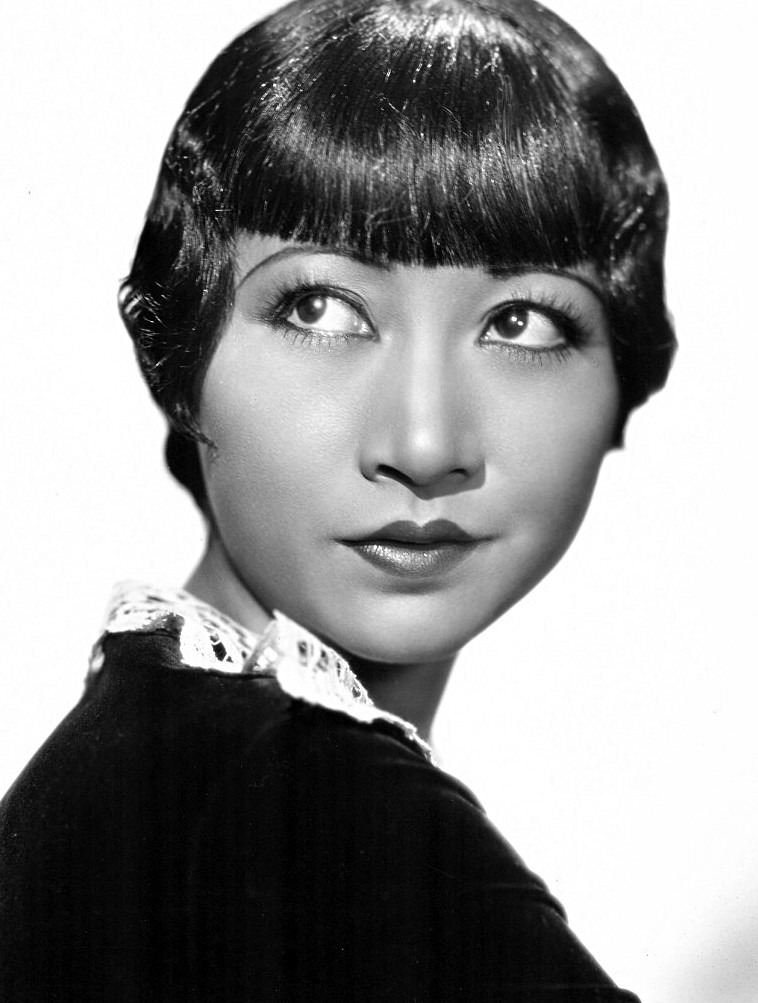 Anna May Wong in a Paramount portrait, her modern style and commanding presence surviving an industry built on exclusion. Image: public domain.
Anna May Wong was Hollywood’s first Chinese American movie star and one of its most revealing cases of talent constrained by racism. She became internationally recognisable while being denied many roles that should have been available to her.
Wong began in silent cinema and developed a strikingly modern visual presence. Piccadilly, made in Britain, gives her one of the richest showcases, combining dance, glamour and social tension. Shanghai Express uses her intelligence and irony within a star vehicle dominated by Marlene Dietrich, while Daughter of Shanghai offers a rare American leading role built around an Asian American heroine.
Hollywood anti-miscegenation rules, yellowface casting and stereotype repeatedly blocked her progress, most notoriously when she was passed over for the Chinese heroine of The Good Earth. Yet Wong did not disappear. She worked in Europe, on stage, in television and in roles she tried to invest with greater dignity. Knowing her career changes the shape of classic Hollywood history by showing who was visible, who held power and what audiences were denied.
Best place to start: Piccadilly (1929)
Then watch: Shanghai Express (1932), Daughter of Shanghai (1937), The Toll of the Sea (1922)
19Dorothy Dandridge
 Dorothy Dandridge photographed in Belgrade in 1962. Image: Stevan Kragujevic. CC BY-SA 3.0 RS via Wikimedia Commons.
Dorothy Dandridge possessed the beauty, voice and dramatic presence of a major star, yet her career was repeatedly narrowed by the racial limits of mid-century Hollywood. Her importance lies in both the work she achieved and the opportunities the industry failed to create.
Carmen Jones made Dandridge the first Black woman nominated for the Academy Award for Best Actress. The role draws on her musical background and screen sensuality, but its emotional force comes from the character’s refusal to be contained. Porgy and Bess offered another prestigious production, though the available roles still depended heavily on stereotype and restricted ideas of Black life.
Dandridge should not be treated only as a symbol of broken barriers. She was a performer with wit, rhythm and dramatic intelligence. Watching her also makes Hollywood history less comfortable and more accurate. A star system capable of manufacturing endless vehicles for white actresses could recognise Dandridge’s talent, celebrate it briefly and still leave her without a sustainable range of leading roles.
Best place to start: Carmen Jones (1954)
Then watch: Bright Road (1953), Island in the Sun (1957), Porgy and Bess (1959)
18Olivia de Havilland
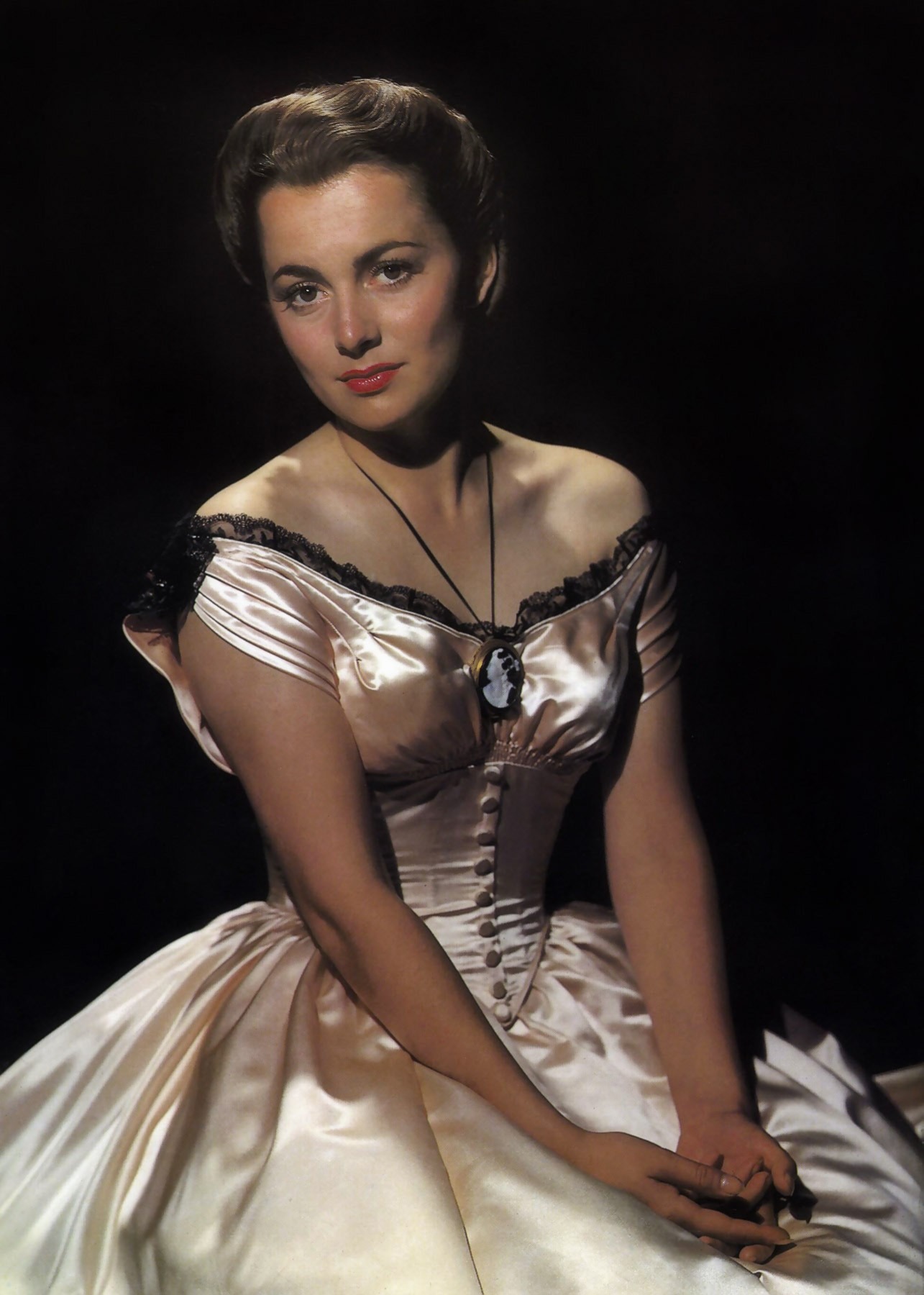 Olivia de Havilland in Santa Fe Trail. Image: Warner Bros. / public domain.
Olivia de Havilland moved from apparently gentle heroines to some of the most psychologically detailed performances of the 1940s. Her quietness was not passivity; it was a way of making audiences lean closer.
The Adventures of Robin Hood captures her luminosity inside studio adventure, but The Heiress reveals the full dramatic force. Catherine Sloper’s change is gradual, and de Havilland lets humiliation harden into judgement without announcing each step. To Each His Own and The Snake Pit further demonstrate her willingness to carry difficult emotional material.
Her legal challenge to Warner Bros. was equally important. The resulting de Havilland decision limited studios’ ability to extend contracts through suspension time and strengthened performers’ freedom. That victory belongs beside the films because it shows an actress insisting on control over her working life. She changed Hollywood both through performance and through the conditions under which performance was made.
Best place to start: The Heiress (1949)
Then watch: The Adventures of Robin Hood (1938), To Each His Own (1946), The Snake Pit (1948)
17Claudette Colbert
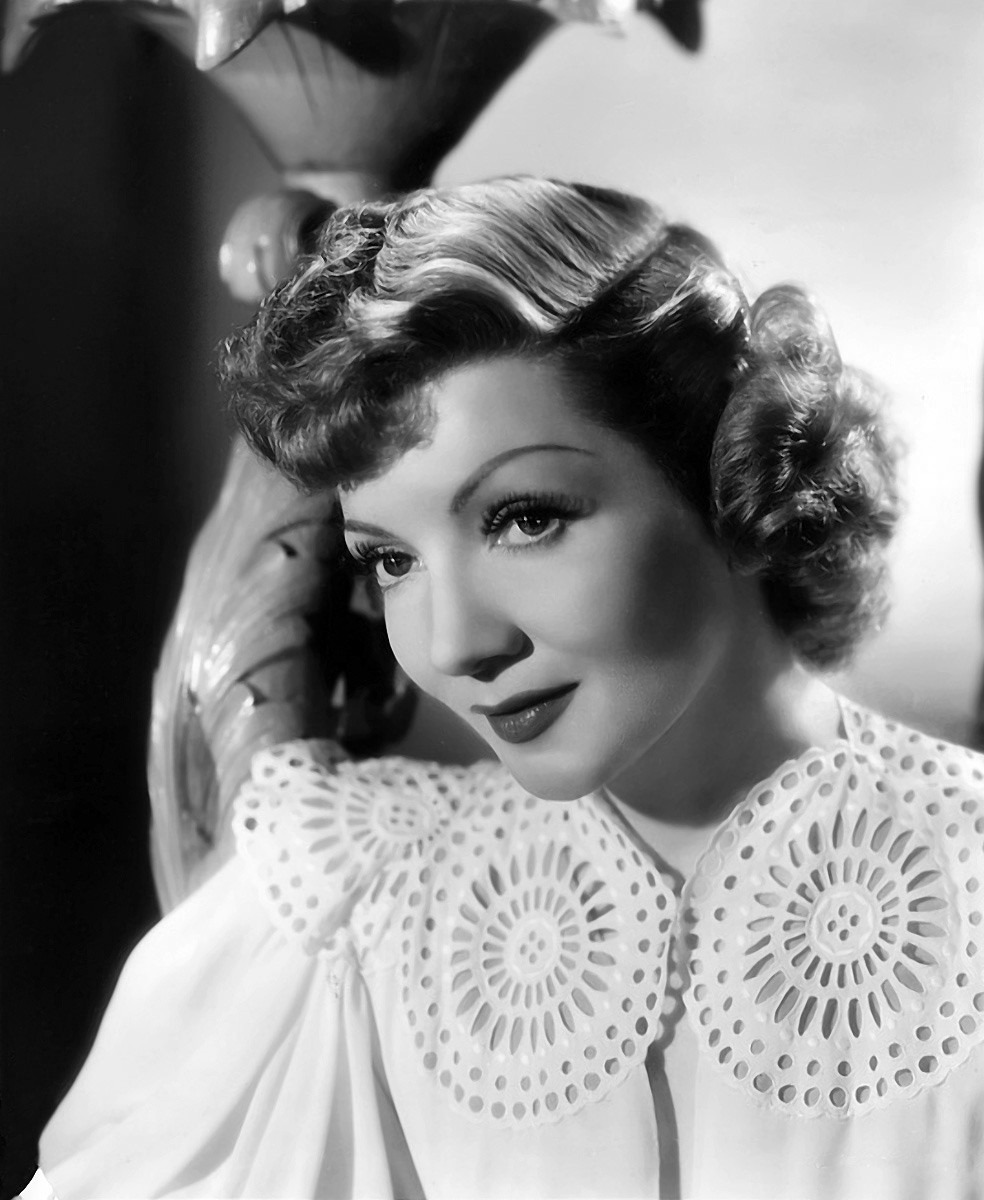 Claudette Colbert in a Whitey Schafer portrait. Image: Whitey Schafer. Public domain.
Claudette Colbert excelled at the point where sophistication meets irritation. Her characters often begin with confidence and social polish, then discover that travel, romance or family life refuses to respect the plan.
It Happened One Night remains the perfect beginning. Colbert’s runaway heiress is funny because she is intelligent but inexperienced, proud but capable of changing. Her timing with Clark Gable gives screwball comedy a human centre. Midnight offers another elegant variation, with Colbert navigating Parisian fantasy through speed and practical judgement.
She also handled drama and historical spectacle, from Imitation of Life to Cleopatra and Since You Went Away. That versatility helped make her one of the 1930s’ major stars, though her reputation is sometimes quieter today. Rediscovering Colbert reveals a performer who could be glamorous without seeming fragile and comic without surrendering authority.
Best place to start: It Happened One Night (1934)
Then watch: Midnight (1939), Imitation of Life (1934), The Palm Beach Story (1942)
16Carole Lombard
 Carole Lombard in 1940. Image: Photograph by Paul Hesse (1896 – 1973) / public domain.
Carole Lombard brought physical abandon and emotional intelligence to screwball comedy. She could look perfectly composed in a publicity portrait and then behave with glorious lack of dignity once the scene began.
My Man Godfrey is the clearest introduction. Lombard’s Irene Bullock is impulsive, privileged and absurd, but the performance never loses the character’s genuine capacity for affection. Twentieth Century shows her matching John Barrymore’s theatrical scale, while To Be or Not to Be uses comic timing inside a daring wartime satire.
Her marriage to Clark Gable and her death in a 1942 plane crash have contributed to a romantic legend, but Lombard should be remembered first as a modern comic actress. She understood that elegance becomes funnier when it is placed in danger. Her willingness to look foolish gave the characters freedom, and that freedom still makes her comedies feel quick and alive.
Best place to start: My Man Godfrey (1936)
Then watch: Twentieth Century (1934), Nothing Sacred (1937), To Be or Not to Be (1942)
15Vivien Leigh
 Vivien Leigh as Scarlett O’Hara, the role that fixed her beauty and force in popular memory. Image: Fawcett Publications / public domain.
Vivien Leigh made two roles so famous that they can overshadow the rest of her career. Scarlett O’Hara and Blanche DuBois are very different women, but both depend on Leigh’s ability to show willpower becoming a defence against collapse.
Gone with the Wind remains a major star-making performance and a complicated cultural object whose romantic view of the slaveholding South requires clear-eyed viewing. Leigh gives Scarlett energy, selfishness, adaptability and comic force. In A Streetcar Named Desire, the brightness is more fragile, and Blanche’s performance of gentility becomes a desperate survival strategy.
Leigh’s strongest work shows the difference between prettiness and presence. The camera valued her beauty, but she used it dramatically, allowing refinement to harden into control or dissolve into fear. Her stage career and work with Laurence Olivier were central to her artistic life, while serious illness made that life difficult. She remains essential because the performances hold grandeur and fracture together.
Best place to start: A Streetcar Named Desire (1951)
Then watch: Gone with the Wind (1939), Waterloo Bridge (1940), Ship of Fools (1965)
14Grace Kelly
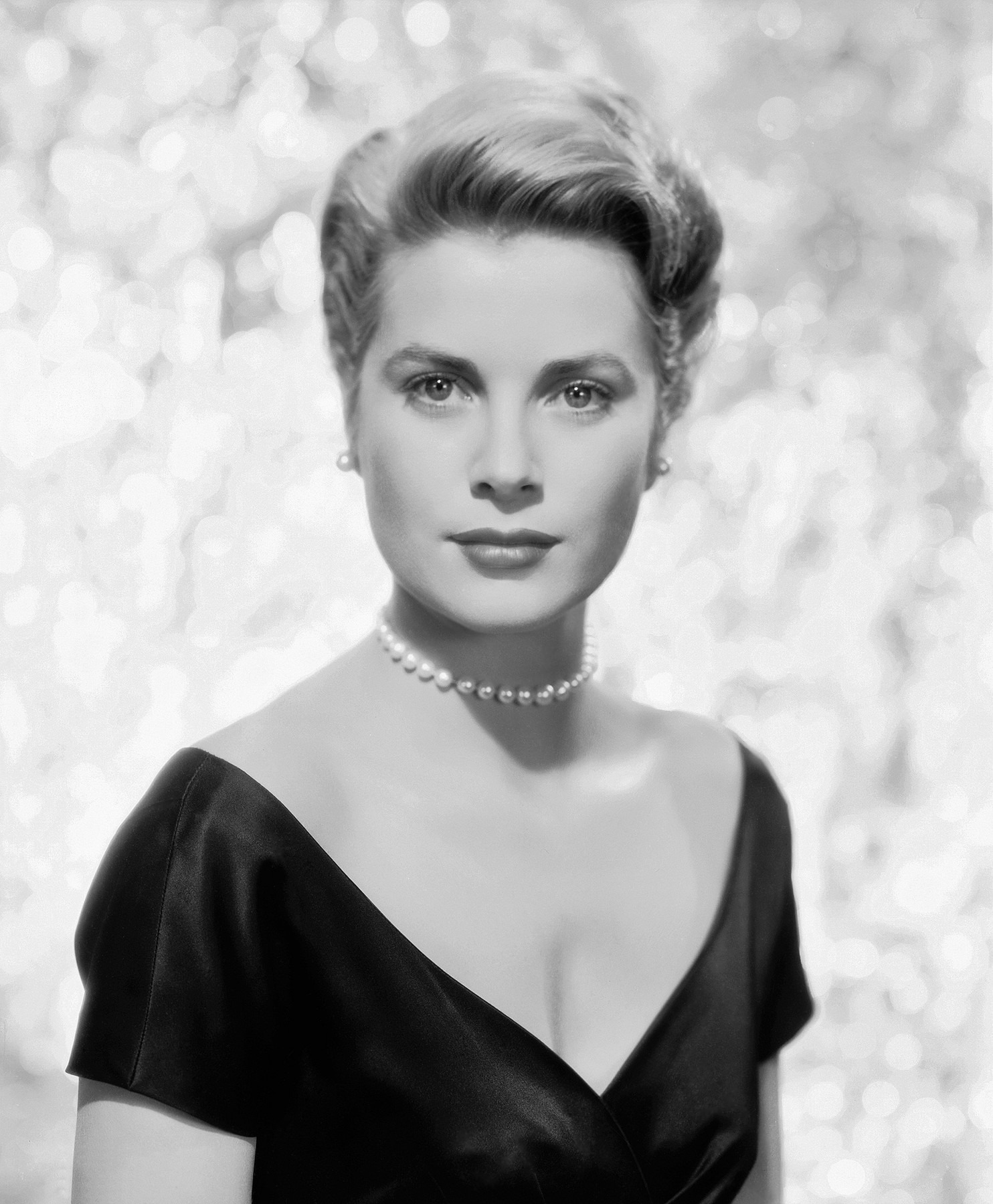 Grace Kelly in 1955, an image of the controlled elegance that directors often placed under emotional pressure. Image: Sterling Publications / public domain.
Grace Kelly had a short film career, but its concentration made the image unusually powerful. She projected cool composure while allowing directors, especially Alfred Hitchcock, to reveal curiosity, desire and risk beneath it.
Rear Window is the ideal introduction because Lisa Fremont’s clothes and confidence initially appear too perfect for James Stewart’s cramped world. Kelly then turns elegance into action, crossing from observer to participant without losing the character’s wit. Dial M for Murder and To Catch a Thief offer darker and lighter variations on the same controlled glamour.
The Country Girl, for which she won the Academy Award for Best Actress, showed that she could deliberately suppress the qualities audiences expected. Her marriage to Prince Rainier III ended the Hollywood chapter, helping preserve an image of youth and poise. Yet the films are more interesting than the fairy-tale summary. Kelly’s best work depends on tension between appearance and appetite.
Best place to start: Rear Window (1954)
Then watch: Dial M for Murder (1954), The Country Girl (1954), To Catch a Thief (1955)
13Lauren Bacall
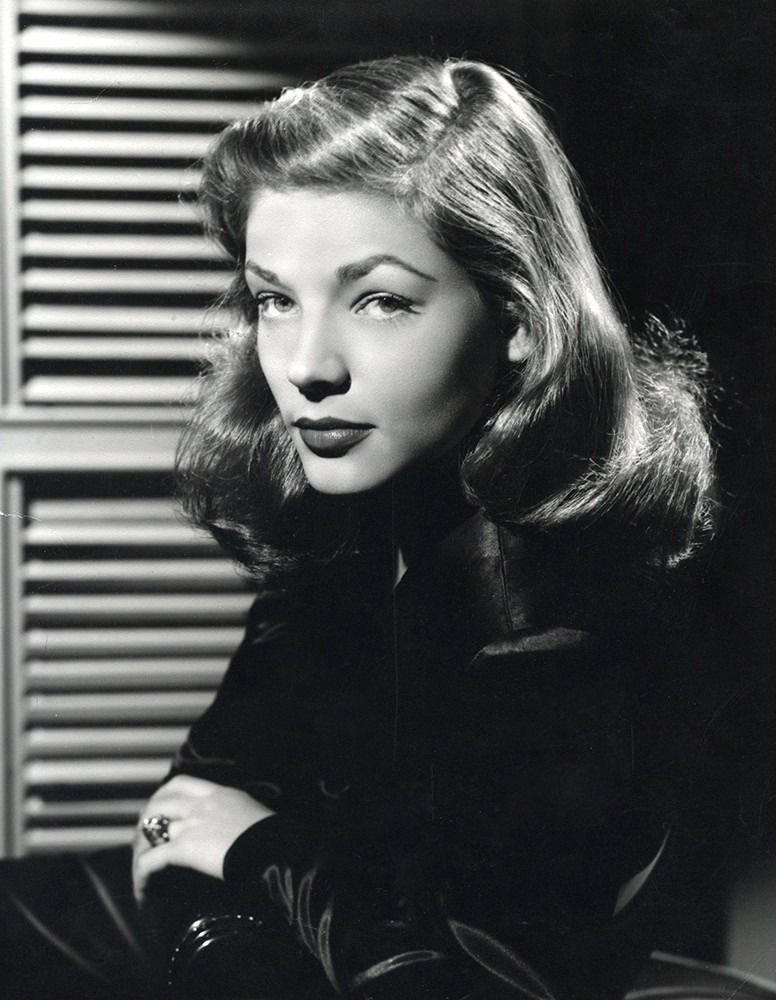 Lauren Bacall in 1945. Image: Studio publicity photographer not credited / public domain.
Lauren Bacall arrived with one of the most complete debut images in Hollywood history. The Look, the low voice and the controlled delivery suggested a woman who understood the room before anyone else had finished entering it.
To Have and Have Not made her chemistry with Humphrey Bogart instantly visible, but Bacall was not merely responding to him. She shaped the tempo of their scenes through pauses and an amused refusal to hurry. The Big Sleep sharpened that partnership, while Key Largo gave her quieter moral authority.
The early legend can hide the length and variety of her career. Bacall worked on stage, in comedy and in later character roles, eventually winning major theatre honours. For new viewers, she is a useful lesson in economy. She did not need to fill every second. Stillness, timing and voice created the sense that her characters possessed knowledge they had not yet decided to share.
Best place to start: To Have and Have Not (1944)
Then watch: The Big Sleep (1946), Key Largo (1948), How to Marry a Millionaire (1953)
12Rita Hayworth
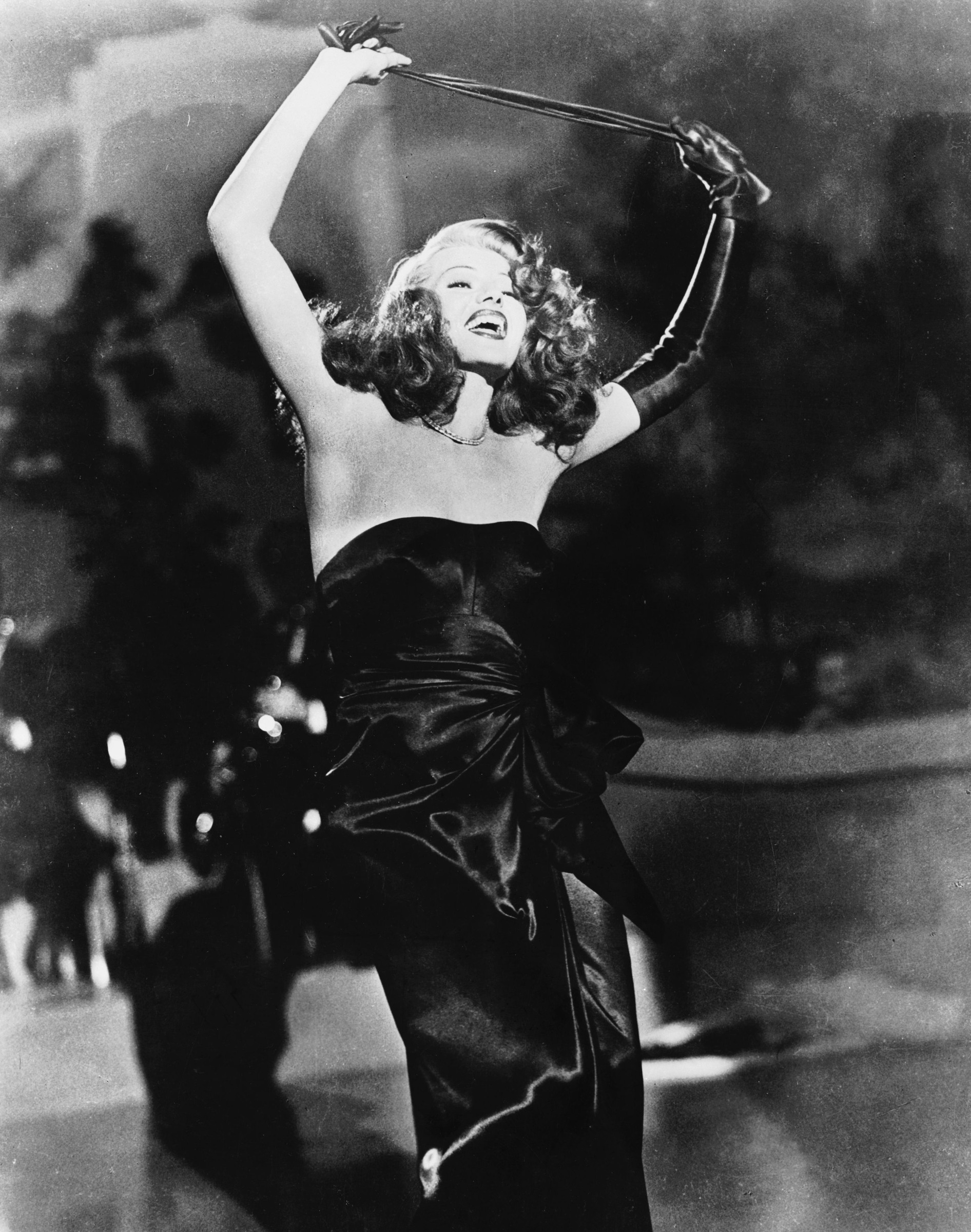 Rita Hayworth performing in the black dress from Gilda. Image: Robert Coburn / public domain.
Rita Hayworth became a wartime symbol of glamour, but the strongest performances contain unease inside the image. She could dance with effortless polish, then let a glance suggest the exhaustion of being watched and desired.
Gilda is the defining film because it understands stardom as both entrance and trap. Hayworth’s first appearance is one of classic Hollywood’s great reveals, yet the character’s musical performances, anger and vulnerability gradually complicate that dazzling surface. Cover Girl offers a brighter route into her dancing and musical charm.
Born Margarita Cansino, Hayworth was physically remade by the studio system through hairline alteration, colouring and a new name. That history makes her image a revealing example of Hollywood’s power to package ethnicity and beauty. It also makes her achievement more impressive. She created warmth and intelligence inside a persona that the industry often treated as a product.
Best place to start: Gilda (1946)
Then watch: Cover Girl (1944), The Lady from Shanghai (1947), Separate Tables (1958)
11Elizabeth Taylor
 Elizabeth Taylor in a studio portrait. Image: Studio publicity still / public domain.
Elizabeth Taylor grew up on screen and refused to remain the polished child star Hollywood first presented. Her adult performances are driven by appetite, anger, grief and an instinctive understanding that beauty can function as power, burden and camouflage.
A Place in the Sun captures the almost unreal radiance that made her famous, but it also shows her emotional concentration. Cat on a Hot Tin Roof and Suddenly, Last Summer use her intensity inside pressure-cooker dramas. Who’s Afraid of Virginia Woolf? strips away conventional glamour and gives Taylor room for ferocity, humour and pain.
Her public life, marriages and friendship with Richard Burton often threatened to overwhelm discussion of the acting. Yet Taylor’s career is valuable precisely because it joins old studio stardom to modern celebrity culture. She understood spectacle, survived it, and later used her fame as a force in AIDS activism. The screen legend and the public advocate were both expressions of unusual courage and scale.
Best place to start: A Place in the Sun (1951)
Then watch: Cat on a Hot Tin Roof (1958), Who’s Afraid of Virginia Woolf? (1966), Giant (1956)
10Audrey Hepburn
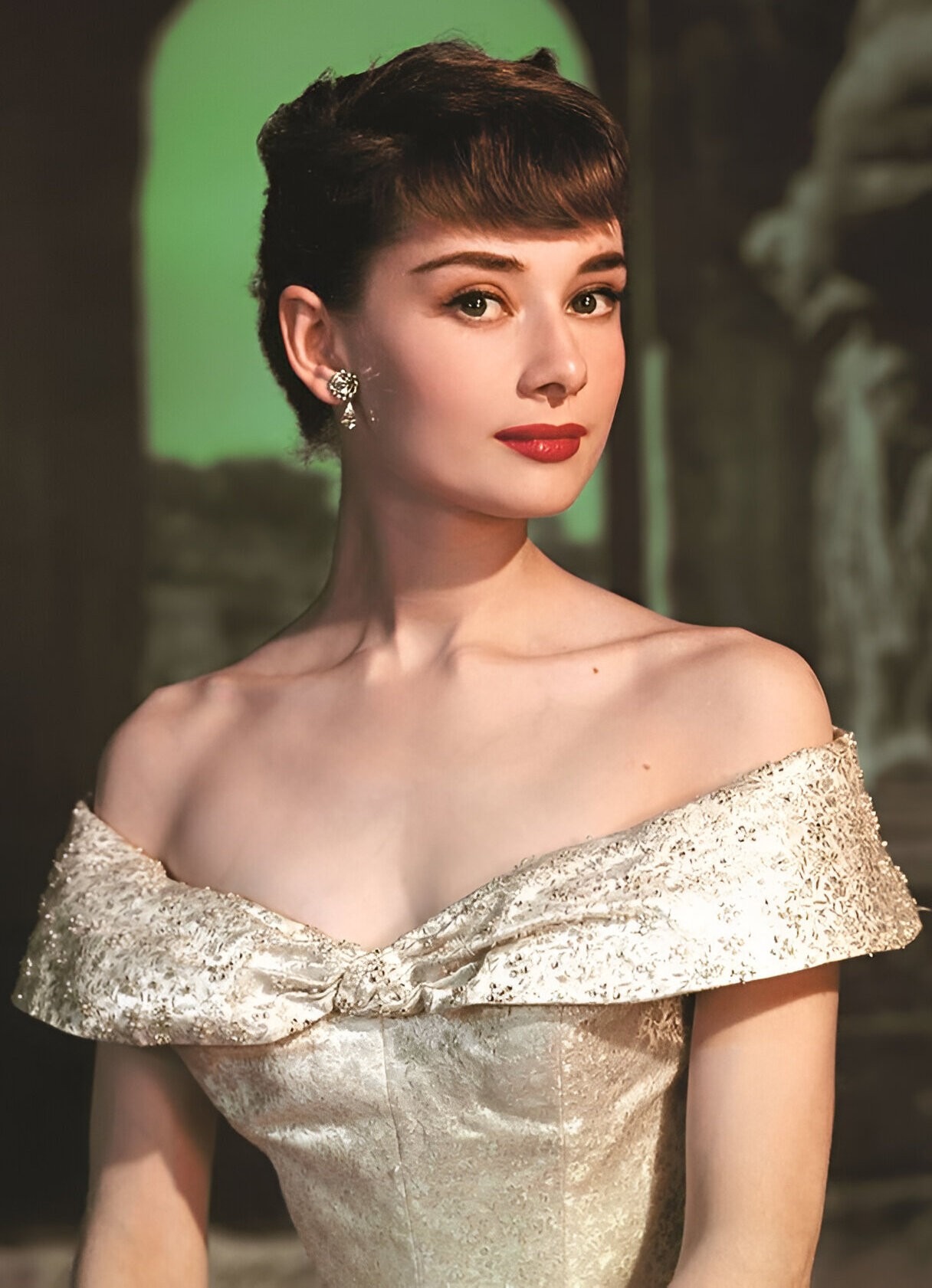 Audrey Hepburn in a publicity portrait. Image: Bud Fraker / public domain.
Audrey Hepburn transformed elegance by making it feel light, intelligent and emotionally open. Her appearance changed 1950s fashion ideals, but her films endure because the style was attached to a recognisable human mixture of curiosity, self-control and vulnerability.
Roman Holiday is one of the perfect star introductions. Hepburn’s Princess Ann is discovering ordinary freedom, and the performance allows excitement, fatigue, duty and heartbreak to grow naturally. Sabrina adds romantic transformation; Funny Face turns fashion into movement; The Nun’s Story proves how quietly forceful she could be in serious drama.
Breakfast at Tiffany’s remains her most reproduced image, though modern viewers should also recognise the film’s offensive caricature and the difference between its glossy reputation and its more complicated emotional content. Hepburn’s later humanitarian work expanded her public meaning, but it did not replace the acting. At her best, she made restraint feel active and kindness feel dramatically interesting.
Best place to start: Roman Holiday (1953)
Then watch: Sabrina (1954), The Nun’s Story (1959), Charade (1963)
9Marilyn Monroe
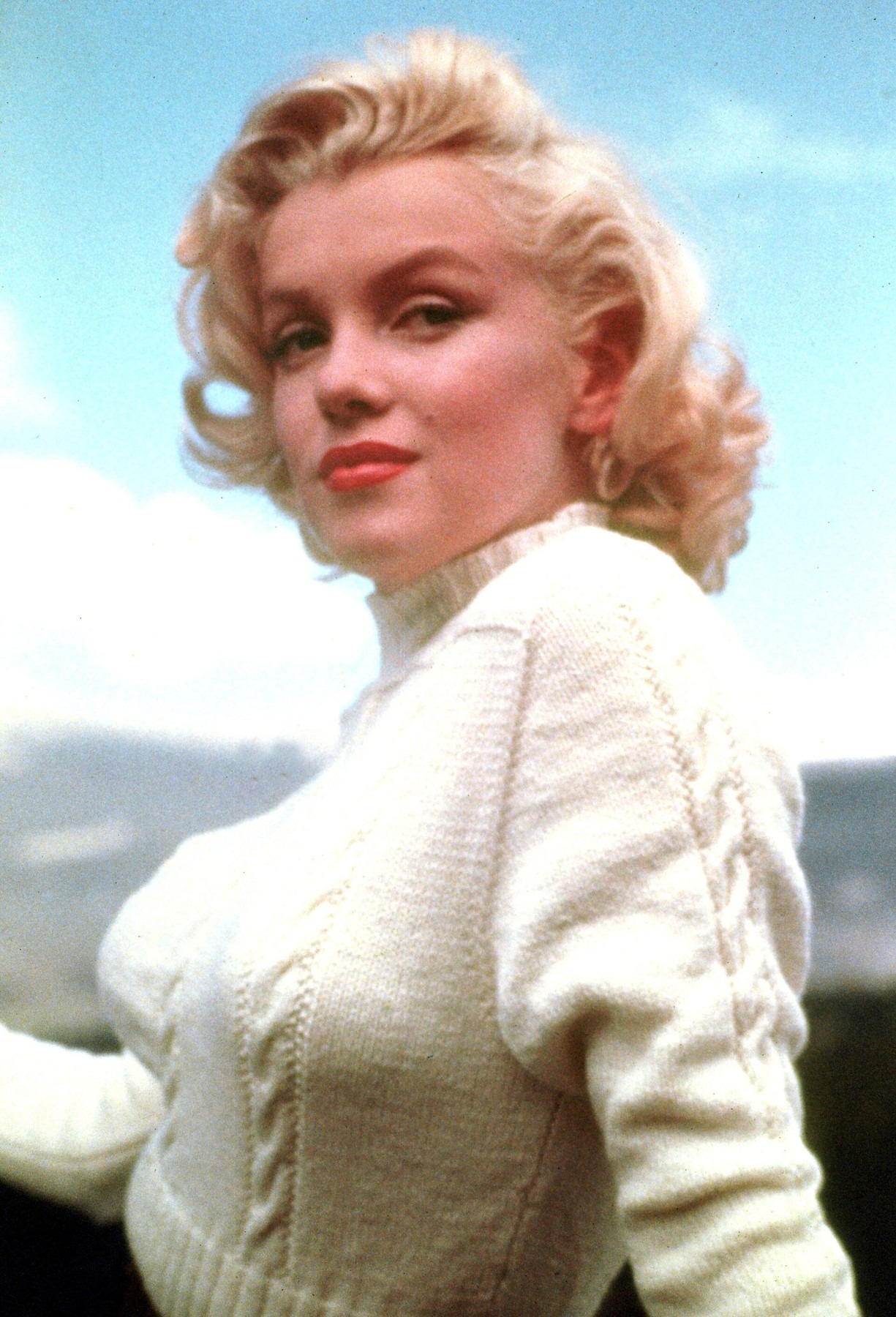 Marilyn Monroe around 1953. Image: Bert Parry / public domain.
Marilyn Monroe remains famous enough to be misunderstood. The photographs are so familiar that it is easy to overlook the actress: a gifted comedian with precise timing, an unusual connection to the camera and an ambition to escape the limitations of the blonde stereotype.
Gentlemen Prefer Blondes shows how intelligently she could play a character other people underestimated. Bus Stop reveals the effort she made to deepen her dramatic work. Some Like It Hot brings the elements together: sensuality, melancholy, musical ease and a comic rhythm that appears fragile while landing every beat.
Monroe also challenged studio control by forming Marilyn Monroe Productions and pursuing serious acting study. Her life ended before that struggle could fully mature, which has encouraged endless speculation. The most respectful way to begin is with the work. She was not simply an image produced by Hollywood; she was a performer who understood how images are produced and wanted greater authority over her own.
Best place to start: Some Like It Hot (1959)
Then watch: Gentlemen Prefer Blondes (1953), Bus Stop (1956), The Misfits (1961)
8Judy Garland
 Judy Garland in an MGM publicity photograph. Image: Metro-Goldwyn-Mayer studio publicity / public domain.
Judy Garland could make a song feel like a confidence offered to one person. Her voice had scale, but her greatest quality was emotional directness. Even inside the machinery of an MGM musical, she could make longing feel spontaneous and personal.
The Wizard of Oz introduced generations to that quality through Dorothy’s homesickness and hope. Meet Me in St. Louis deepened it, balancing family warmth with the ache of change. In A Star Is Born, Garland used the full history of her public image, musical power and hard-won dramatic skill to create one of Hollywood’s great performances about talent and cost.
Her life also exposes the cruelty that could exist beneath studio polish. Garland was worked relentlessly from youth and subjected to damaging control over her body, schedule and medication. That history should not turn every joyful scene into a tragedy, but it should sharpen our respect for the craft. She made entertainment feel generous even when the conditions surrounding it were not.
Best place to start: Meet Me in St. Louis (1944)
Then watch: The Wizard of Oz (1939), A Star Is Born (1954), The Harvey Girls (1946)
7Joan Crawford
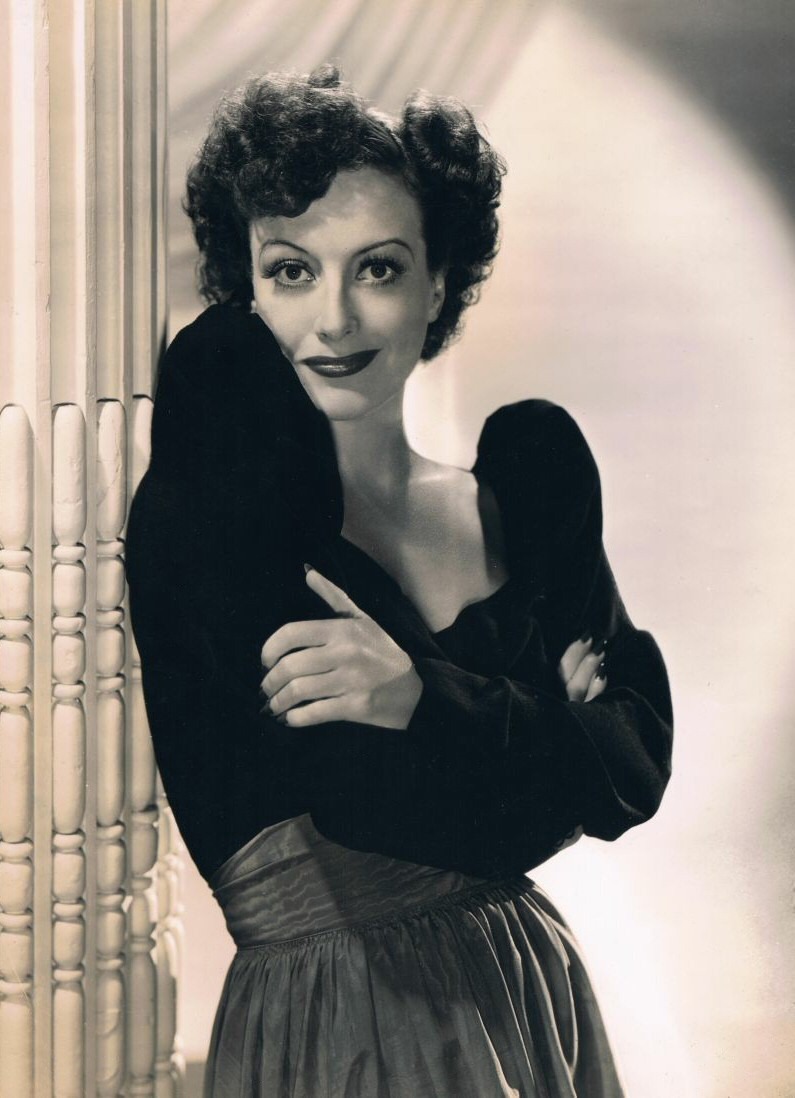 Joan Crawford in a 1939 studio portrait, presenting the disciplined glamour that became central to her star image. Image: Studio Publicity / public domain.
Joan Crawford built a career around willpower. Her screen image evolved from Jazz Age modern girl to ambitious working woman, suffering melodrama heroine and formidable older star, reflecting Hollywood’s changing ideas about female independence.
The famous eyebrows, shoulders and immaculate costumes can distract from how physical her acting was. Crawford used the effort of entering a room, holding a posture or containing anger to make ambition visible. Mildred Pierce is the ideal introduction because the performance joins maternal devotion, business drive, class anxiety and romantic misjudgement without reducing Mildred to a single lesson.
Crawford’s off-screen legend is crowded with publicity, rivalry stories and later controversy, but the films deserve to be seen before the mythology takes over. In Possessed and Sudden Fear, she uses tension and vulnerability with precision. Her endurance also tells us something important about stardom: survival required reinvention, and Crawford made reinvention look like destiny.
Best place to start: Mildred Pierce (1945)
Then watch: The Women (1939), Possessed (1947), Sudden Fear (1952)
6Ingrid Bergman
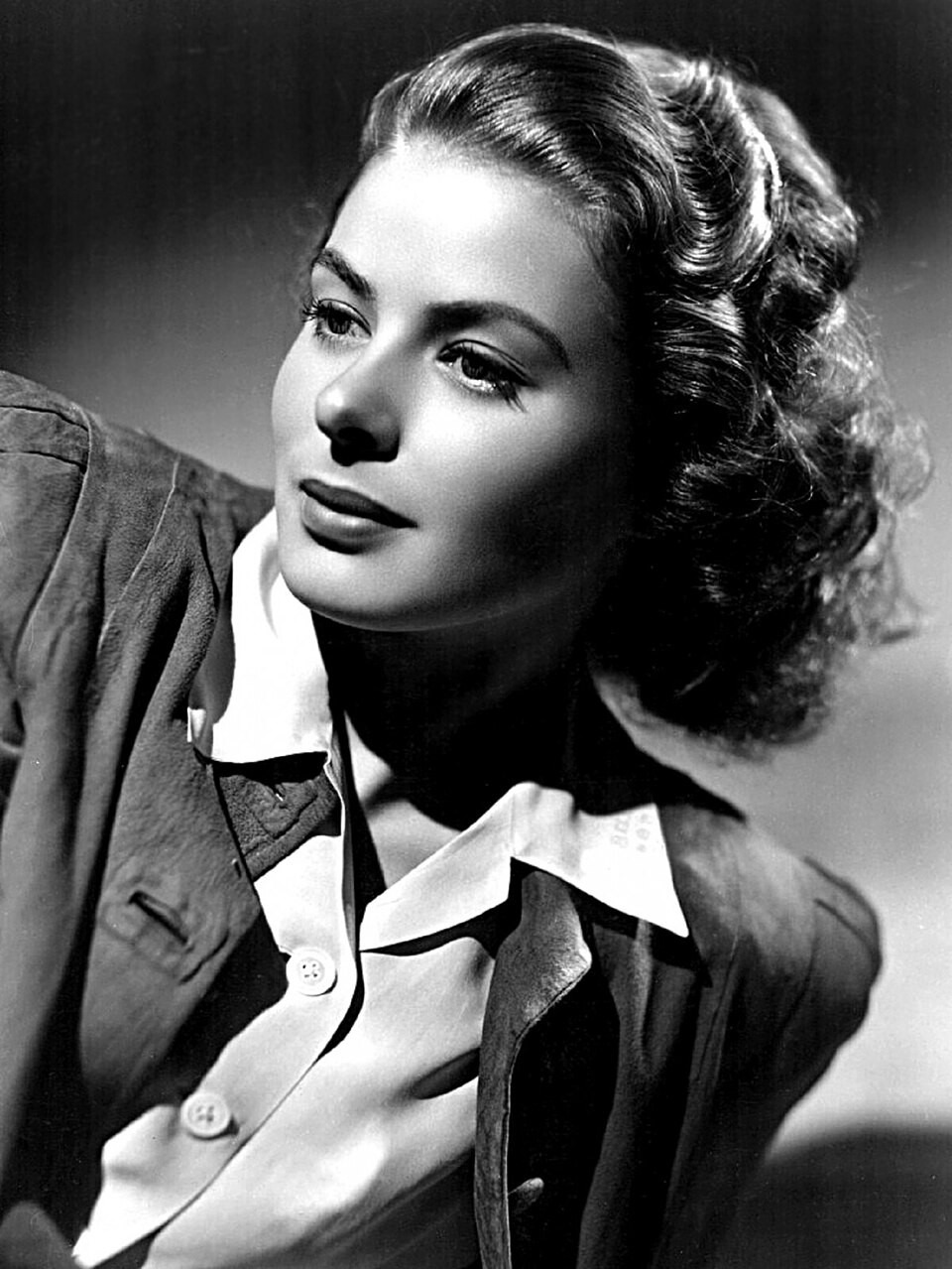 Ingrid Bergman in a 1940 Whitey Schafer portrait. Image: Whitey Schafer / public domain.
Ingrid Bergman brought clarity and emotional intelligence to characters caught between love, duty, memory and fear. Hollywood promoted her apparent naturalness, but the performances reveal careful control rather than effortless innocence.
Casablanca made her face part of film history, yet its power comes from conflicting impulses held in the same close-up. In Notorious, she gives Hitchcock’s romantic thriller its bruised centre, playing a woman asked to prove her loyalty by people who do not know how to trust her. Gaslight shows a different strength as vulnerability becomes a battleground.
Bergman’s career later crossed continents and acting traditions, including major work with Roberto Rossellini and Ingmar Bergman. That international path makes her more than a Hollywood star, but it also clarifies why Hollywood needed her. She could make large romantic situations feel truthful at close range. New viewers often respond to her immediately because the emotion never seems trapped behind period style.
Best place to start: Casablanca (1942)
Then watch: Notorious (1946), Gaslight (1944), Autumn Sonata (1978)
5Marlene Dietrich
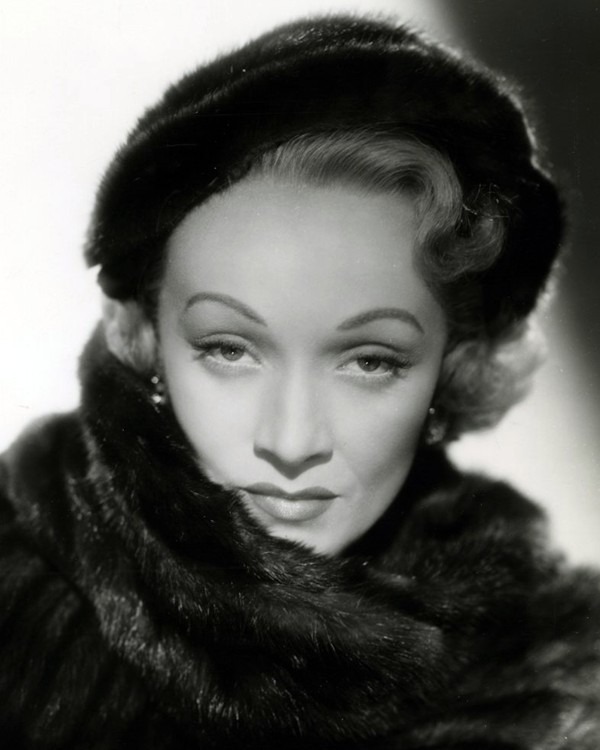 Marlene Dietrich in No Highway. Image: Twentieth Century-Fox; cropped by Wikimedia Commons user TonyPolar / public domain.
 Marlene Dietrich treated movie-star image as an art she could control. Lighting, costume, posture and voice worked together, creating a presence that was glamorous, ironic and often deliberately ambiguous about conventional ideas of femininity.
Her early collaboration with director Josef von Sternberg produced some of cinema’s most elaborate studies of a face. Morocco and Shanghai Express surround her with smoke, veils and shadow, yet Dietrich’s cool intelligence prevents the images from becoming empty ornament. She appears to know exactly what everyone in the room wants and exactly what the image is doing.
Destry Rides Again is a better beginning for many newcomers because it adds warmth, comedy and a rowdy saloon setting. Dietrich could parody her own sophistication without weakening it. Her later public life, including her anti-Nazi position and wartime performances for Allied troops, also makes her story larger than Hollywood. She was not merely photographed as an icon; she actively authored the icon.
Best place to start: Destry Rides Again (1939)
Then watch: Morocco (1930), Shanghai Express (1932), Witness for the Prosecution (1957)
4Greta Garbo
 Greta Garbo in a portrait made from Arnold Genthe’s 1925 negative. Image: Arnold Genthe. CC0 1.0.
Greta Garbo made mystery feel emotional rather than decorative. Her face could seem remote in a still photograph, yet in motion it registered thought with extraordinary delicacy. She became an international emblem of glamour while giving her best characters a private inner life.
Garbo’s transition from silent films to sound was unusually successful because her appeal was never dependent on silence alone. Her low, accented voice added another layer of distance and intimacy. Queen Christina gives her regal stillness and romantic uncertainty; Camille shows how fully she could use restraint in melodrama.
Ninotchka is the most welcoming first film because it reveals the humour inside the famous solemnity. Garbo does not abandon her image; she lets comedy crack it open. Her early retirement strengthened the legend, but the performances matter more than the retreat. She remains essential for understanding how close-up acting, star publicity and modern celebrity mythology began to merge.
Best place to start: Ninotchka (1939)
Then watch: Queen Christina (1933), Camille (1936), Flesh and the Devil (1926)
3Barbara Stanwyck
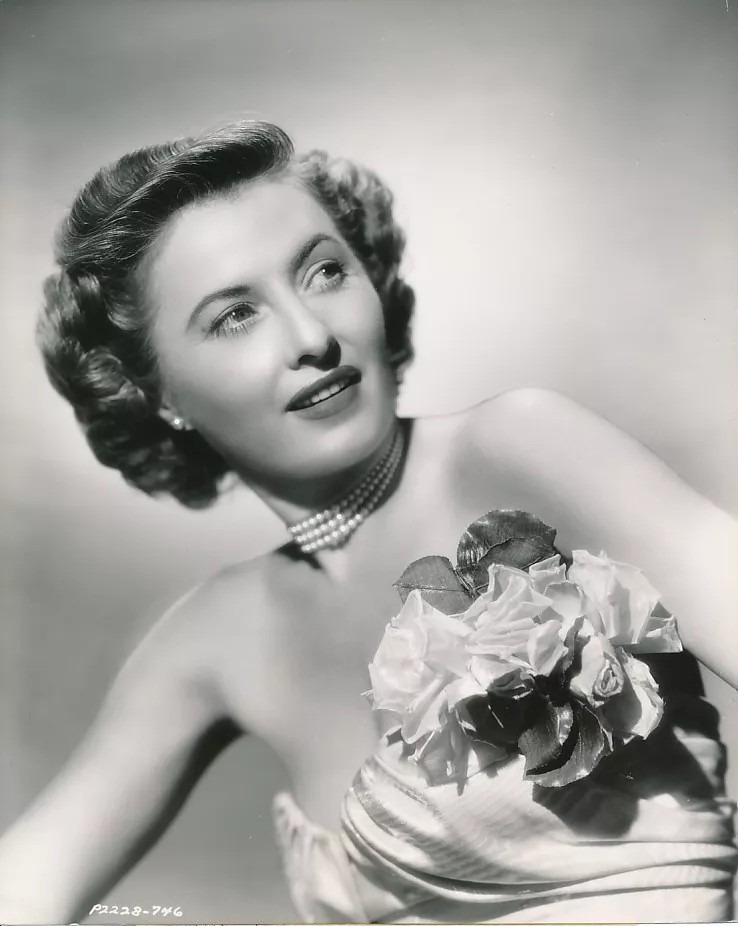 Barbara Stanwyck in a Whitey Schafer portrait. Image: Whitey Schafer / public domain.
Barbara Stanwyck may be the best actress on this list for understanding range. She could play a hard-working woman, a comic con artist, a ruthless killer, a self-sacrificing mother or a Western matriarch without making any of those roles feel like a stunt.
Stanwyck’s directness is the common thread. She listened sharply, moved with purpose and rarely asked the audience to admire the technique. In The Lady Eve, she makes deception romantic and funny. In Double Indemnity, she creates one of noir’s defining dangerous women while allowing flashes of calculation, boredom and panic to disturb the polished surface.
She is sometimes less instantly recognisable to casual viewers than Hepburn, Davis or Monroe, but that is a reason to discover her, not evidence of lesser importance. Stanwyck was a working actress in the fullest sense, able to fit the rhythm of a genre while remaining completely present. Following her career is like taking a guided tour through several decades of American popular cinema.
Best place to start: Double Indemnity (1944)
Then watch: The Lady Eve (1941), Stella Dallas (1937), Ball of Fire (1941)
2Bette Davis
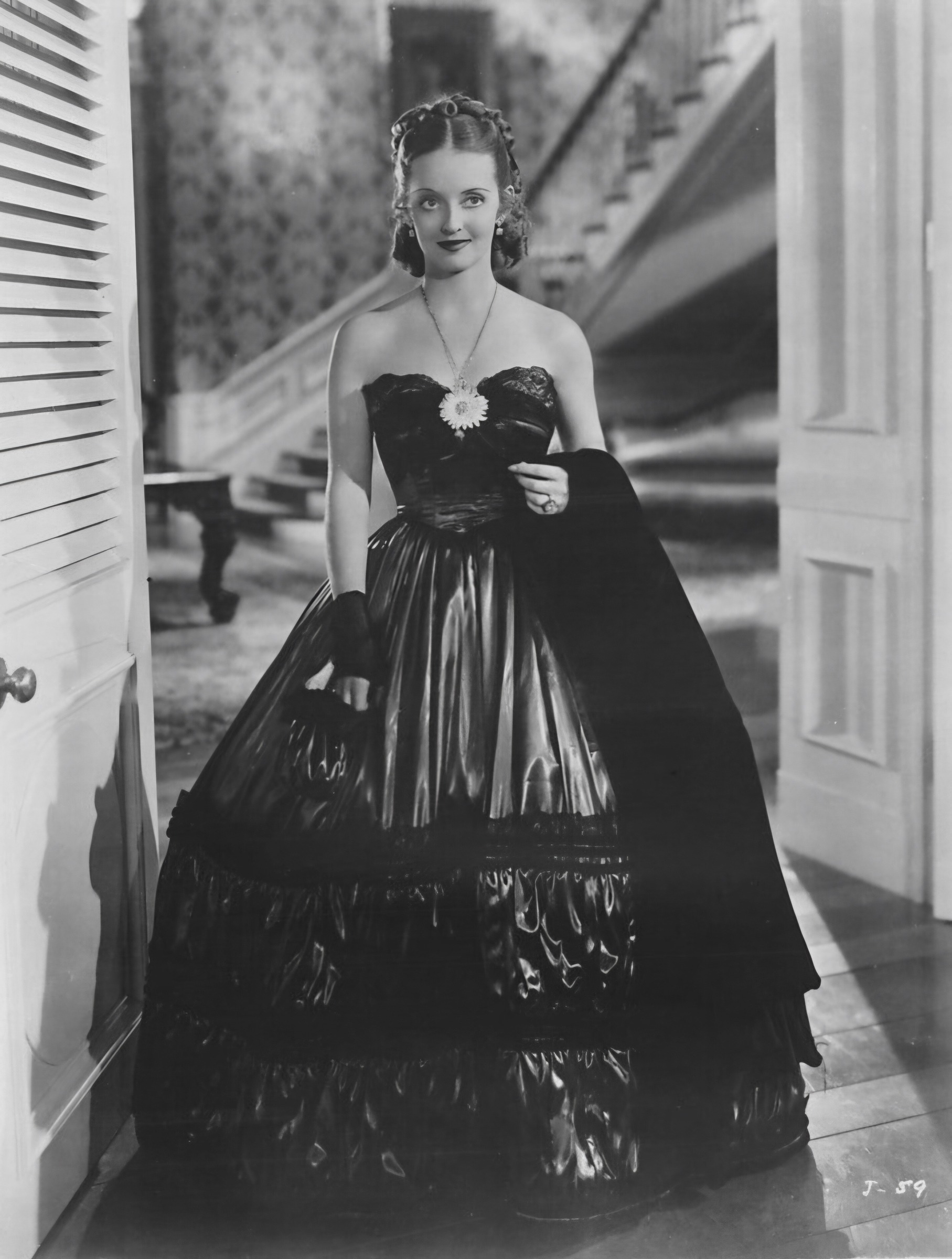 Bette Davis in a publicity image for Jezebel. Image: Photographer not identified / public domain.
Bette Davis turned intensity into a complete acting language. She was willing to look vain, cruel, frightened, exhausted or ridiculous if the character required it, and that freedom made her far more dangerous than a performer protecting a glamorous image.
Davis could dominate melodrama, but she was not simply loud or theatrical. In Now, Voyager, much of the transformation is carried through posture, breath and the way Charlotte Vale learns to occupy space. In All About Eve, Margo Channing’s wit is defensive armour, and Davis lets the audience see both the performance and the fear beneath it.
Her battles with Warner Bros. have become part of Hollywood legend because they reveal how seriously she took the work and the quality of the roles offered to her. For new viewers, Davis is essential because she makes old studio melodrama feel psychologically immediate. The costumes and dialogue belong to another era; the insecurity, ambition and anger do not.
Best place to start: All About Eve (1950)
Then watch: Now, Voyager (1942), The Letter (1940), What Ever Happened to Baby Jane? (1962)
1Katharine Hepburn
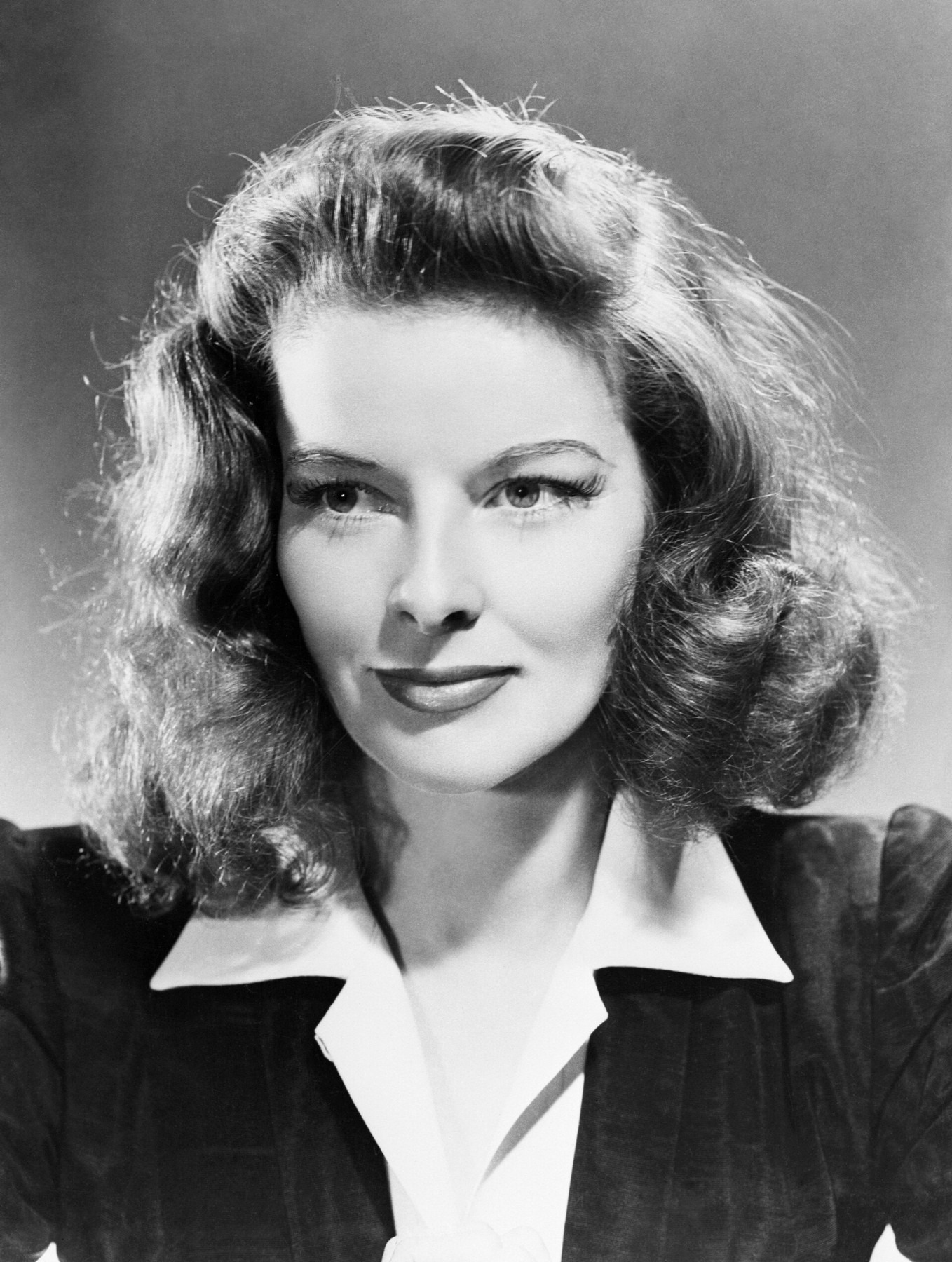 Katharine Hepburn in a studio publicity portrait. Image: Metro-Goldwyn-Mayer Studios ; Restored by Adam Cuerden / public domain.
Katharine Hepburn made independence look like a natural state. Her heroines could be proud, awkward, witty, athletic and emotionally guarded, often all at once. She did not soften intelligence to make it charming; she made intelligence part of the charm.
Her career also gives beginners a remarkably wide route through classic Hollywood. The screwball speed of Bringing Up Baby, the social precision of The Philadelphia Story, the newsroom energy of Woman of the Year and the late-life gravity of The Lion in Winter show an actress repeatedly adjusting her force without losing her identity.
Hepburn’s four competitive Academy Awards for Best Actress are impressive, but statistics alone do not explain her endurance. What lasts is the sense of a woman thinking on screen. Even when the character is wrong, defensive or frightened, the performance remains active. She is one of the clearest examples of a star persona becoming richer rather than smaller over time.
Best place to start: The Philadelphia Story (1940)
Then watch: Bringing Up Baby (1938), Woman of the Year (1942), The African Queen (1951)
How to Use This List
Choose three actresses whose descriptions appeal to you and watch one recommended film for each. Following performers is one of the easiest ways into classic Hollywood because each career opens several doors at once: co-stars, directors, genres, studios and different periods of filmmaking.
A useful first route is Katharine Hepburn for sophisticated comedy, Bette Davis for performance-driven drama, Barbara Stanwyck for range, Marilyn Monroe for comedy and star image, Dorothy Dandridge for musical drama, and Anna May Wong for silent-era and early sound-film history.
Frequently Asked Questions
Is this a definitive ranking?
No. It is a curated introduction. The countdown creates a useful reading order, but the selection is designed to show different forms of screen greatness rather than settle an argument permanently.
Why are some major actresses missing?
A list of twenty always leaves painful omissions. Ginger Rogers, Mae West, Lillian Gish, Jean Harlow, Ava Gardner, Sophia Loren and others deserve dedicated coverage. These twenty provide a balanced first map rather than a complete canon.
Which actress should a beginner watch first?
Katharine Hepburn, Bette Davis, Audrey Hepburn, Marilyn Monroe and Barbara Stanwyck are especially useful starting points because their best-known films are accessible and their screen identities are sharply different.