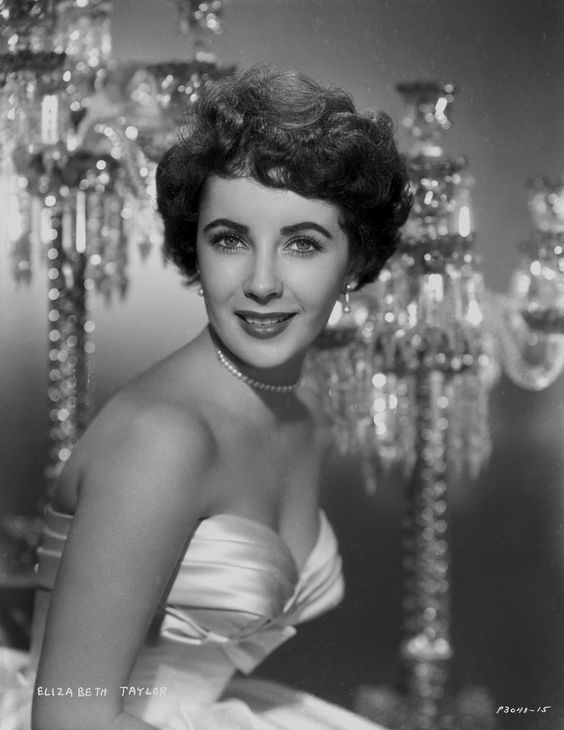
 A young Elizabeth Taylor photographed by Whitey Schafer during her transition from child performer to major star.
Elizabeth Taylor : Personal Info
Full name : Elizabeth Rosemond Taylor
Born : February 27, 1932, London, England
Died : March 23, 2011, Los Angeles, California
Nationality : British-born American
Occupations : Actress, businesswoman, humanitarian, HIV/AIDS activist
Years active : 1942-2000s
Known for : National Velvet, A Place in the Sun, Giant, Cat on a Hot Tin Roof, BUtterfield 8, Cleopatra, Who’s Afraid of Virginia Woolf?
Major honors : Two Academy Awards for Best Actress; Golden Globe; Jean Hersholt Humanitarian Award; Dame Commander of the Order of the British Empire
Elizabeth Taylor : Introduction
Whether you remember her as the horse-loving girl in National Velvet, the violet-eyed star of Giant, the storm at the center of Cleopatra or the ferocious Martha in Who’s Afraid of Virginia Woolf?, Elizabeth Taylor lived one of the most public lives in Hollywood history. She was a child star, a great beauty, a serious actress, a tabloid obsession and a groundbreaking activist.
Elizabeth’s fame can be misleading because it was so bright. The marriages, jewels and headlines sometimes distract from the work, but the work is formidable. She grew from a child performer into one of the most emotionally forceful actresses of the 1950s and 1960s, winning two Academy Awards and carrying films that demanded glamour, suffering, anger and intelligence.
What makes Taylor’s story especially powerful is that she did not remain fixed in one image. She survived child stardom, studio control, illness, scandal, grief and public judgment. Later, she used the force of her celebrity to fight HIV/AIDS stigma when many powerful people stayed silent.
Elizabeth Taylor : Early Life and Child Stardom
So where did it all begin? Elizabeth Rosemond Taylor was born in London on February 27, 1932, to American parents. When the Second World War approached, the family moved to the United States and settled in California. Elizabeth’s beauty was noticed early, but her career was not built on looks alone. She had unusual focus and emotional presence even as a child.
After early screen work, Taylor became a star with National Velvet in 1944. The film cast her as Velvet Brown, a young girl who dreams of riding a horse in the Grand National. Taylor’s performance helped make the film a beloved classic, and it also placed enormous professional pressure on a girl who was still only twelve.
Unlike many child stars, Taylor moved successfully into adult roles. That transition required more than maturity of appearance. She had to convince audiences that the luminous child had become a woman capable of desire, defiance and moral complexity. By the early 1950s, she had done exactly that.
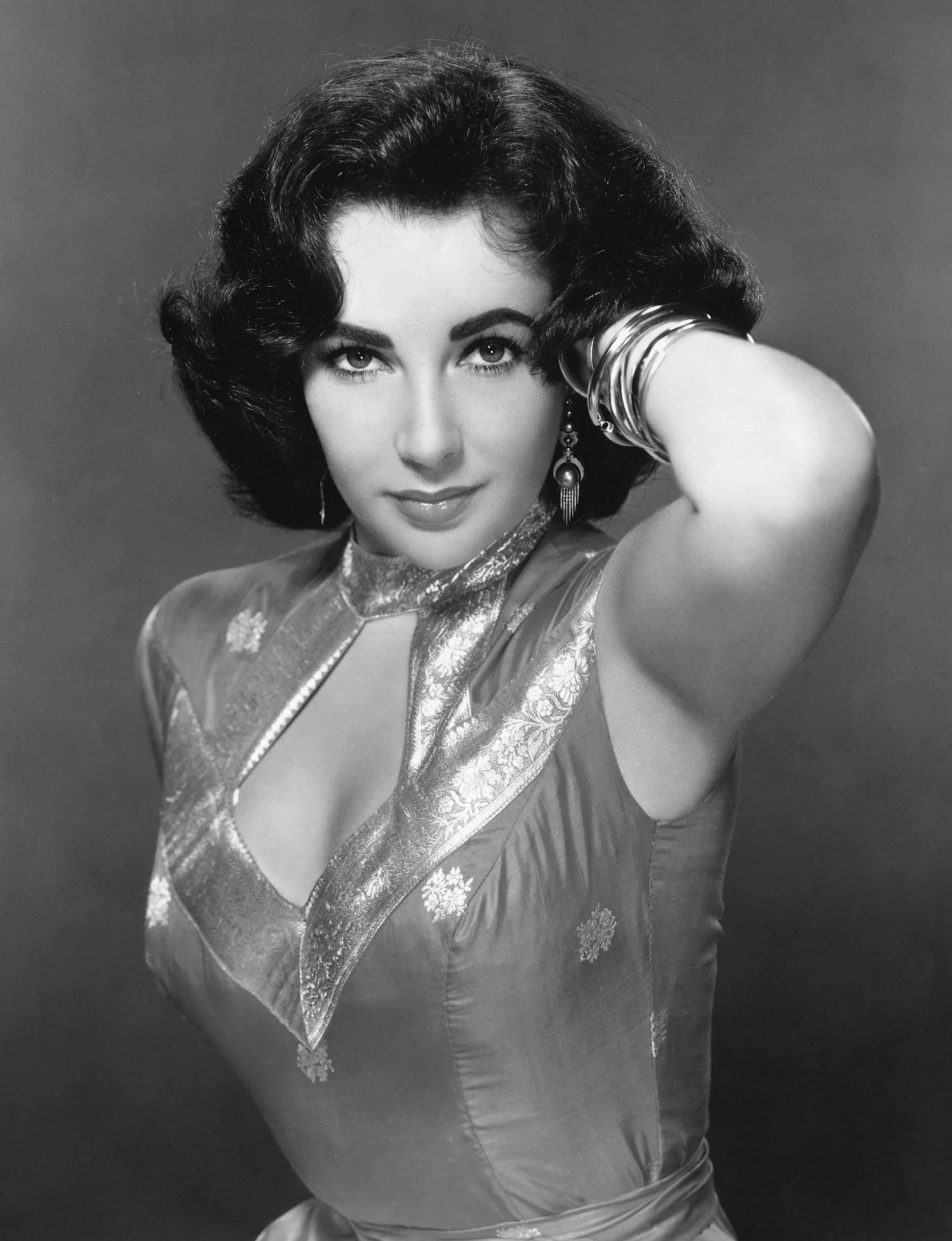 Taylor in the late 1950s, when Giant, Raintree County and Cat on a Hot Tin Roof established her dramatic stature.
Elizabeth Taylor : From Beauty to Serious Actress
A Place in the Sun in 1951 showed Taylor as more than a studio beauty. Opposite Montgomery Clift, she brought romantic intensity and tragic glamour to a film about ambition, class and desire. Her face became one of the great close-up faces of the period, but the power came from how much feeling seemed to move behind it.
The 1950s gave Taylor a run of major roles. Giant placed her opposite Rock Hudson and James Dean in a large-scale Texas epic. Cat on a Hot Tin Roof and Suddenly, Last Summer connected her with Tennessee Williams material, giving her characters whose sensuality and pain could not be neatly separated.
Taylor received multiple Academy Award nominations before finally winning for BUtterfield 8. She famously disliked the film, but the Oscar acknowledged a decade in which she had become one of Hollywood’s most watched and heavily worked actresses. The performance may not be her most admired today, but the win marked her arrival as an officially crowned star.
Elizabeth Taylor : Cleopatra, Richard Burton and Global Celebrity
Cleopatra turned Elizabeth Taylor from a movie star into a global spectacle. The production was expensive, troubled and watched obsessively by the press. Taylor negotiated a landmark salary for the role, and the film’s scale reflected the scale of her fame. She played the Egyptian queen as glamorous, commanding and politically alive.
The making of Cleopatra also brought her together with Richard Burton. Their relationship became one of the most famous love affairs of the twentieth century, followed by marriage, divorce, remarriage and another divorce. The public fascination was intense, sometimes cruel, and it changed the way modern celebrity was covered.
Taylor and Burton worked together in several films, but the greatest was Who’s Afraid of Virginia Woolf? in 1966. As Martha, Taylor abandoned conventional glamour and delivered a raw, bruising performance opposite Burton. The role won her second Academy Award and remains one of her most respected achievements.
Elizabeth Taylor : Activism and Later Legacy
Elizabeth Taylor’s later life proved that celebrity could be used as a weapon for good. In the 1980s, when fear and misinformation surrounded HIV/AIDS, Taylor spoke publicly, raised money and challenged stigma. She helped co-found amfAR and later founded The Elizabeth Taylor AIDS Foundation.
This work was not a side note. It became one of the defining parts of her legacy. Taylor used the very fame that had once trapped her in headlines to bring attention, funding and compassion to people who were being ignored or shamed. The Academy later recognized her with the Jean Hersholt Humanitarian Award.
Elizabeth Taylor remains fascinating because she contained so many Hollywood stories at once. She was a child star who survived, a beauty who could act, a celebrity who understood her own value, and an activist who risked popularity for moral urgency. Her life was dramatic, but her legacy is larger than drama.
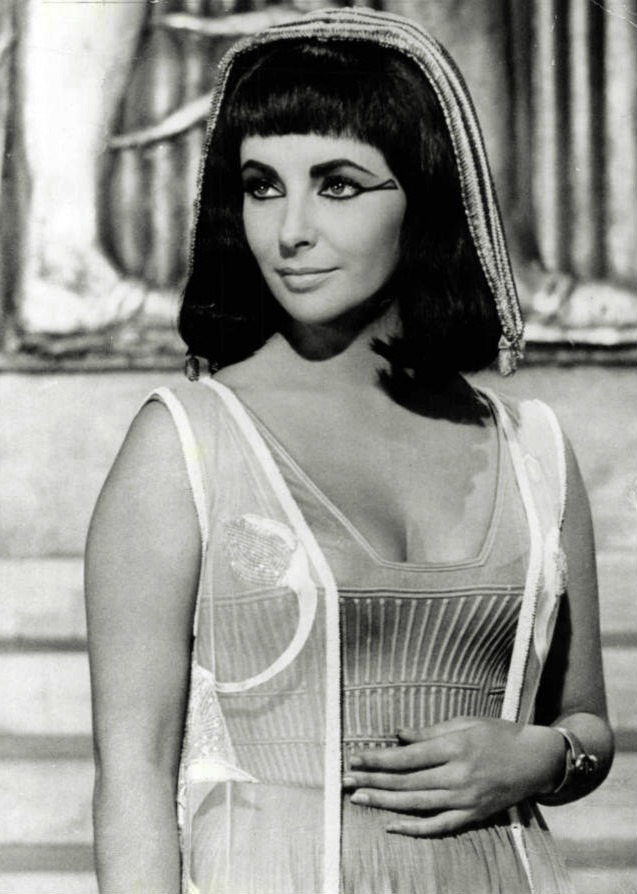 Taylor as Cleopatra in 1963, the production that turned an already famous actress into a global media event.
Elizabeth Taylor : Beauty, Power and Performance
Elizabeth Taylor’s beauty was so famous that it sometimes became a barrier to understanding her talent. The eyes, the jewels and the publicity could overwhelm the acting in public memory. Yet her best performances are not passive displays of beauty. They are charged with appetite, frustration, intelligence and emotional danger.
In A Place in the Sun, Taylor represents an almost unreachable dream, but she also makes that dream feel human. In Cat on a Hot Tin Roof, she gives Maggie the Cat a mixture of sensuality, anger and survival instinct. In Suddenly, Last Summer, she moves through a story of trauma and concealment with a force that challenges the men trying to define her.
Her work in Who’s Afraid of Virginia Woolf? remains the clearest answer to anyone who doubts her range. Taylor lets Martha be cruel, funny, wounded, vulgar and devastated. She does not protect the glamour. She burns through it, and the result is one of the boldest star performances of the 1960s.
Elizabeth Taylor : Celebrity Before Modern Celebrity
Taylor also matters because she helped invent the modern idea of celebrity. Her life with Richard Burton was followed with an intensity that anticipated later tabloid culture. Cleopatra was not just a film production; it was a global media event, with Taylor’s salary, health, romance and image all treated as public property.
What makes Taylor unusual is that she learned to use that attention. She understood her own value and negotiated accordingly. Her million-dollar Cleopatra contract was not merely gossip; it was a business landmark that showed a female star demanding compensation equal to her commercial power.
That public force followed her into later decades. The headlines could be exhausting, but Taylor turned visibility into leverage. When she spoke about AIDS, people listened partly because the world had been watching her for almost her entire life.
Elizabeth Taylor : Why She Remains a Cornerstone Subject
For a movie biography site, Elizabeth Taylor connects several strong content clusters: child stars, Oscar-winning actresses, Hollywood romances, classic literary adaptations, Cleopatra, Richard Burton, celebrity business power and AIDS activism. She is both an entertainment subject and a cultural-history subject.
A strong Taylor biography should neither ignore the marriages nor let them swallow the career. The relationships were part of her public life, but the films and activism are what give the story lasting depth. The best editorial approach is to treat the spectacle as context and the work as the spine.
Elizabeth Taylor’s legacy survives because she refused to become one thing. She was glamorous and difficult, generous and dramatic, vulnerable and commanding. Hollywood watched her grow up; the world watched her fight back; history remembers that she did more with fame than simply possess it.
 Taylor with Liza Todd and Mike Todd in 1957, photographed by Toni Frissell during one of the happiest periods of her private life.
Elizabeth Taylor : MGM, Childhood and Professional Discipline
Elizabeth Taylor’s child-star years were not a prelude that can be skipped on the way to Cleopatra. They established the discipline, camera awareness and endurance that sustained the adult career. Lassie Come Home and National Velvet used her connection with animals and her unusually composed screen presence, while MGM quickly recognised that audiences responded to her as more than a conventional child performer.
The system also placed adult demands on a young life. Taylor grew up under contracts, publicity schedules and close scrutiny of appearance. Father of the Bride used the transition itself, presenting her as a young woman whose marriage unsettles the family around her. A Place in the Sun then made her beauty central to a darker drama of ambition, class and desire.
The official biography presents this development as a continuous career rather than a series of disconnected reinventions. Taylor learned early that beauty generated attention but did not automatically produce authority. Much of her adult story concerns the attempt to convert visibility into control.
Elizabeth Taylor : Giant, Tennessee Williams and Dramatic Authority
Giant gave Taylor a role that develops across decades. Leslie Benedict enters the Texas world as an outsider, then gains moral and emotional authority inside it. Working opposite Rock Hudson and James Dean, Taylor had to balance private feeling with the scale of an American family epic. The performance helped establish that her adult career could carry more than glamour.
The Tennessee Williams adaptations intensified that seriousness. Cat on a Hot Tin Roof gave her Maggie’s hunger, anger and strategic intelligence. Suddenly, Last Summer placed her inside a story of trauma, memory and institutional power. Both films exploit Taylor’s beauty while asking the audience to see the will and fear operating beneath it.
These performances also show her appetite for difficult emotional material. Taylor could be technically uneven when a role gave her little to resist, but conflict sharpened her. She was strongest when desire, humiliation and survival occupied the same scene.
Elizabeth Taylor : Two Academy Awards
Taylor’s first Best Actress Oscar came for BUtterfield 8. She disliked aspects of the film and later spoke critically about it, yet the performance demonstrates her ability to project anger and wounded pride through material she did not fully respect. The award belonged as much to her accumulated stature and recent personal ordeal as to a single uncontested career peak.
Who’s Afraid of Virginia Woolf? offered the greater artistic victory. Taylor changed her voice, body language and familiar glamour to play Martha, a woman using cruelty, fantasy and performance to survive a damaged marriage. Richard Burton’s presence intensified the public fascination, but the film succeeds because both actors submit the celebrity couple to the demands of Edward Albee’s drama.
The second Oscar confirmed the range that publicity had often obscured. The Academy Awards database records the two competitive wins as well as later humanitarian recognition. Together they show a career in which celebrity and acting were related but never identical.
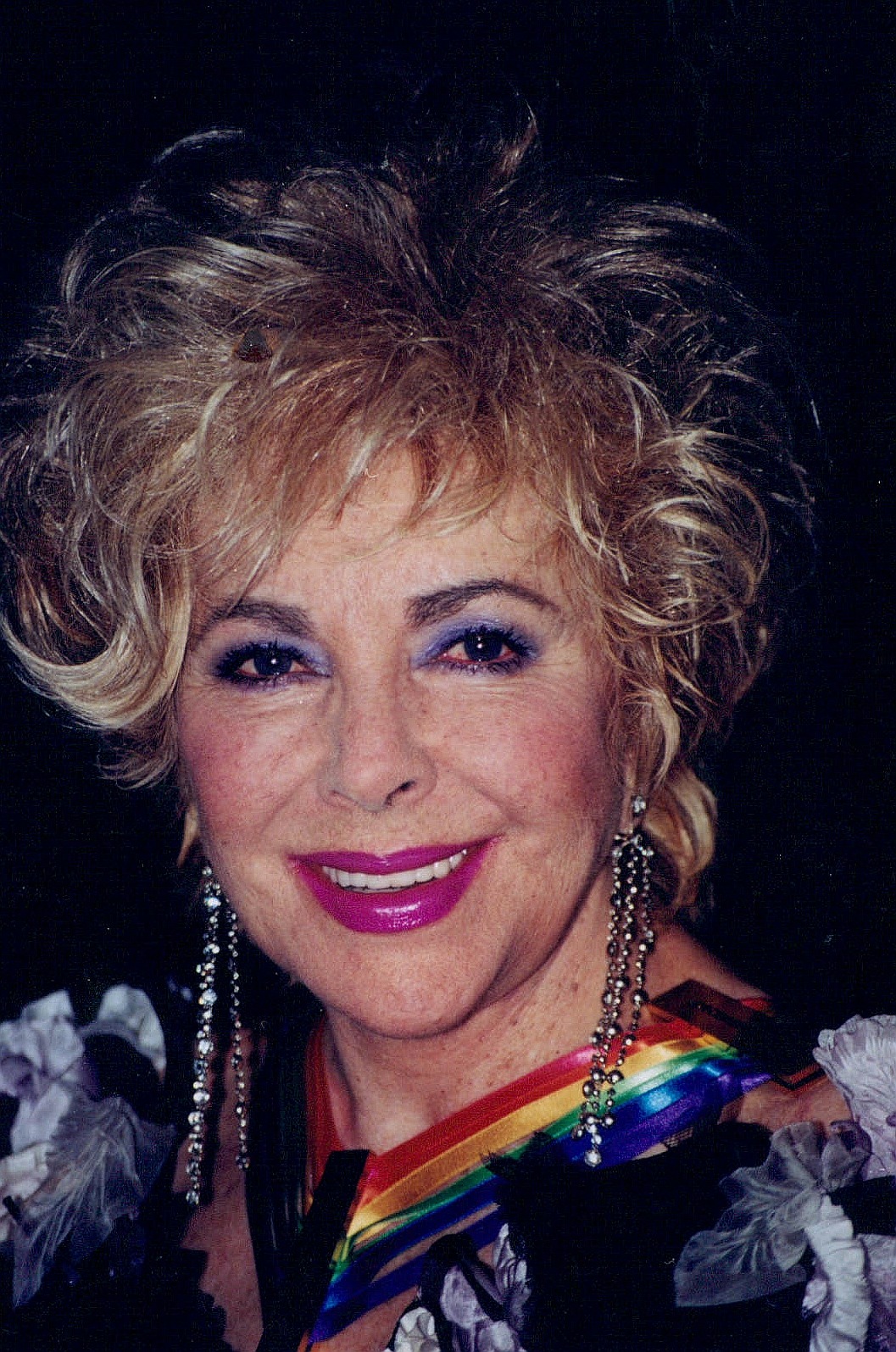 Taylor with her Kennedy Center Honor, reflecting the later recognition of both her screen career and public influence. Image: Kingkongphoto / celebrity-photos.com. CC BY-SA 2.0. Wikimedia Commons source
Elizabeth Taylor : Business, Jewellery and Ownership of Image
Taylor understood that glamour was economic power. Her Cleopatra agreement made headlines because of the salary and escalating production costs, but it also demonstrated that a female star could price access to an image the studio urgently needed. The contract became part of the film’s mythology before audiences saw the finished performance.
Jewellery was another public language. Famous pieces accompanied marriages, premieres and stories of excess, yet Taylor’s interest was informed and personal rather than merely decorative. She understood provenance, colour and design, and the collection became inseparable from the way magazines narrated her life.
Her fragrance business extended that control into a new industry. White Diamonds became one of the most durable celebrity fragrances, helping establish a commercial model later stars would follow. Taylor was not simply licensed as an image by others; she learned to turn recognisability into enterprises connected to her own name.
Elizabeth Taylor : AIDS Activism and the Use of Fame
Taylor’s HIV and AIDS activism is not an epilogue added to make a glamorous life appear serious. It became one of the central achievements of her later decades. At a time when fear, misinformation and political reluctance surrounded the epidemic, she used the access and attention created by celebrity to raise money, confront stigma and demand public action.
The amfAR tribute describes the personal and reputational risk of becoming an outspoken advocate. In 1991 she established the Elizabeth Taylor AIDS Foundation to support direct services for people living with HIV and AIDS, complementing research and advocacy work.
This chapter changes the meaning of the earlier fame. The press had treated Taylor’s private life as public property for decades; she redirected that attention toward people whom public life often ignored. Her activism did not erase the contradictions of celebrity, but it demonstrated how influence could be used with purpose and persistence.
Elizabeth Taylor : Marriage, Grief and Life Under Observation
Taylor married eight times to seven husbands, including Richard Burton twice. The number became a shorthand used to turn a complicated emotional life into spectacle. The marriages matter, but they should be understood alongside the pressures of childhood stardom, repeated illness, bereavement and a media culture that treated every change in her private life as a public event.
The death of producer Mike Todd in a plane crash in 1958 was a profound loss. Her later relationship with Eddie Fisher produced scandal because Fisher had been married to Debbie Reynolds, while the Burton relationship became inseparable from Cleopatra and the new global appetite for celebrity coverage. Taylor did not live outside those consequences, but neither can her career be reduced to them.
Richard Burton was both partner and major collaborator. Who’s Afraid of Virginia Woolf? used the public knowledge of their volatile relationship without simply reproducing it. The Taming of the Shrew, The V.I.P.s and other projects vary widely, yet together they document a partnership in which acting, commerce and private feeling were continually folded into publicity.
Taylor’s survival is an important part of the story. She endured serious health crises, addiction treatment, grief and the difficult transition from constant screen employment to a later public role. The same visibility that could be invasive became a resource she learned to direct toward business, humanitarian work and the preservation of her own legacy.
Selected Elizabeth Taylor Filmography
1944 – National Velvet : Breakout child-star role
1951 – A Place in the Sun : Major adult dramatic breakthrough
1956 – Giant : Epic role opposite Rock Hudson and James Dean
1958 – Cat on a Hot Tin Roof : Oscar-nominated Tennessee Williams adaptation
1959 – Suddenly, Last Summer : Oscar-nominated dramatic role
1960 – BUtterfield 8 : First Academy Award-winning performance
1963 – Cleopatra : Historic star vehicle and cultural event
1966 – Who’s Afraid of Virginia Woolf? : Second Academy Award-winning performance
1967 – The Taming of the Shrew : Richard Burton collaboration
Frequently Asked Questions
How old was Elizabeth Taylor when she became a star?
National Velvet made her a major child star at about twelve, after several years of screen work.
How many Oscars did Elizabeth Taylor win?
She won two competitive Best Actress Oscars, for BUtterfield 8 and Who’s Afraid of Virginia Woolf?, and later received the Jean Hersholt Humanitarian Award.
Why was Cleopatra so important?
Its enormous production, Taylor’s record-setting contract and her relationship with Richard Burton turned the film into a global media event.
What did Elizabeth Taylor do for HIV and AIDS activism?
She helped mobilise fundraising and public attention, became a founding national chair of amfAR and established the Elizabeth Taylor AIDS Foundation in 1991.
Related Articles
20 Classic Hollywood Actresses Everyone Should Know
Top 10 Elizabeth Taylor Movies Ranked
Where to Start with Elizabeth Taylor Movies
Elizabeth Taylor vs Marilyn Monroe
10 Best Oscar-Winning Performances by Classic Movie Stars