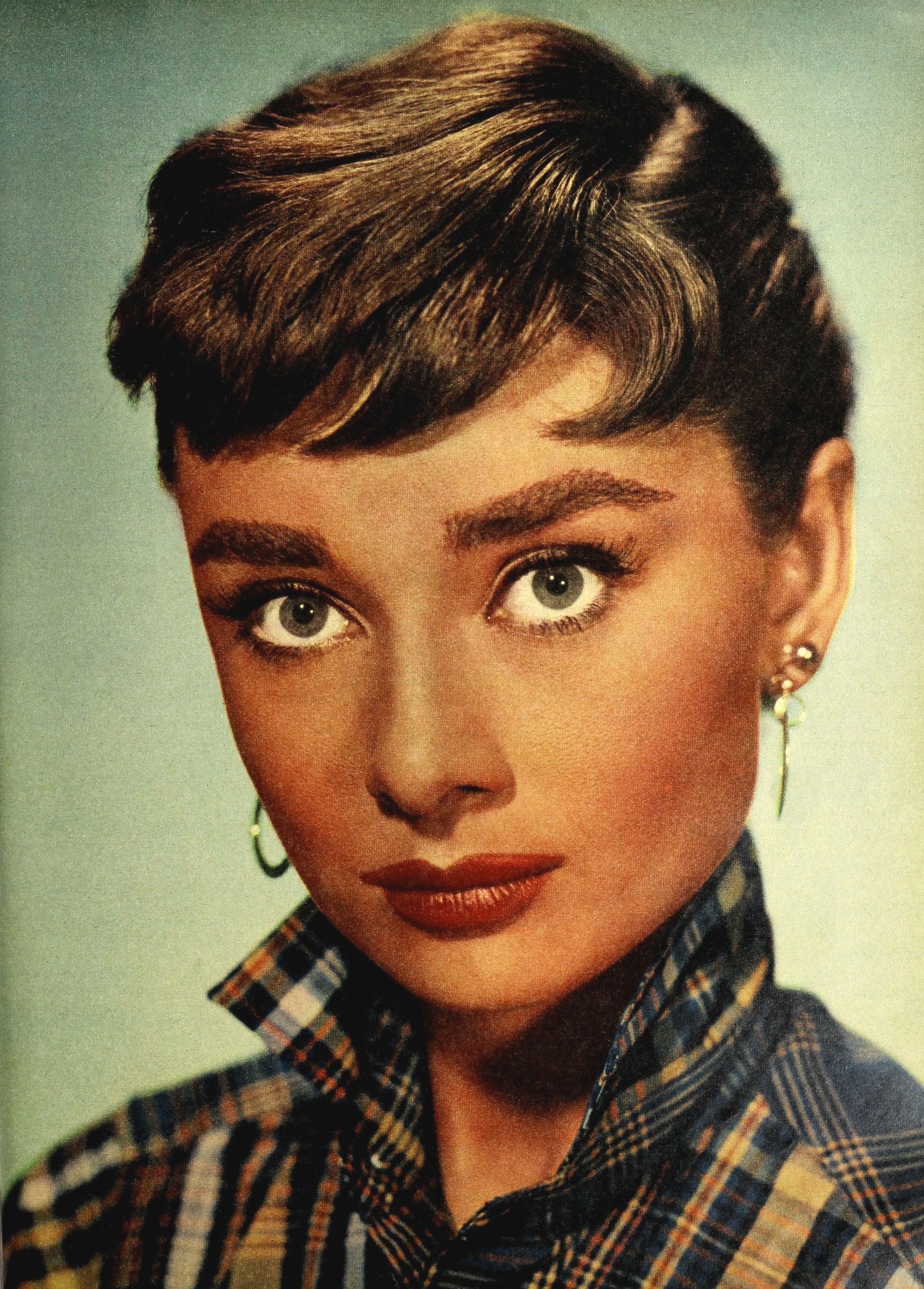
 Audrey Hepburn in a 1954 publicity portrait during her early Hollywood rise.
Audrey Hepburn : Personal Info
Full Name : Audrey Kathleen Ruston, later Audrey Hepburn-Ruston
Date of Birth : May 4, 1929
Birthplace : Brussels, Belgium
Died : January 20, 1993, Tolochenaz, Switzerland
Nationality : British; Belgian-born with Dutch and British family roots
Occupations : Actress, dancer, fashion icon, humanitarian
Years Active : 1948-1989 in film and television; UNICEF Goodwill Ambassador, 1988-1993
Known For : Roman Holiday, Sabrina, Funny Face, The Nun’s Story, Breakfast at Tiffany’s, Charade, My Fair Lady, Wait Until Dark
Major Honors : Academy Award, BAFTA Awards, Golden Globe Awards, Tony Award, Presidential Medal of Freedom, Jean Hersholt Humanitarian Award
Whether you know her as the runaway princess in Roman Holiday, the elegant dreamer of Breakfast at Tiffany’s, the Parisian Cinderella of Sabrina or the devoted UNICEF ambassador who spent her final years speaking for children, Audrey Hepburn remains one of the most admired movie stars in screen history. Few performers have managed to be so glamorous and yet so approachable, so copied and yet so difficult to imitate.
Audrey was not merely a beautiful face in famous clothes. She was a trained dancer, a wartime survivor, a disciplined actress, a fashion collaborator and a humanitarian who understood hunger and fear from childhood experience. Her screen image was delicate, but her life was shaped by resilience. That contrast is one of the reasons audiences continue to find her fascinating decades after her death.
Without a doubt, Audrey Hepburn belongs in the first rank of classic Hollywood icons. Yet her appeal has never depended only on nostalgia. New generations discover her through still photographs, film clips, fashion references and streaming classics, then find something deeper in the performances themselves: intelligence, kindness, comic timing, emotional restraint and a quiet refusal to become hard.
Audrey Hepburn : Early Life and Family Background
So where did it all begin? Audrey Kathleen Ruston was born in Brussels, Belgium, on May 4, 1929. Her father was British and her mother came from a Dutch aristocratic family, which meant Audrey’s childhood moved across borders and languages. She spent parts of her early life in Belgium, England and the Netherlands, absorbing the European cultural mixture that later made her seem so naturally international on screen.
Audrey’s early years were not as effortless as her later image might suggest. Her parents’ marriage broke down while she was still young, and her father’s departure deeply affected her. The sense of abandonment remained one of the great emotional wounds of her childhood. It is tempting to look at Hepburn only through the glow of Hollywood glamour, but the private Audrey was shaped by uncertainty long before she became a public symbol of poise.
By the late 1930s, Europe was moving toward war. Audrey was in the Netherlands when Germany invaded in 1940, and the occupation changed the course of her adolescence. She used the name Edda van Heemstra during the war years because an English-sounding name could be dangerous under Nazi rule. Her family endured hunger, fear and upheaval, and the trauma of those years would later inform both her private outlook and her public humanitarian work.
Audrey had loved dance from childhood, and ballet gave her discipline during a chaotic period. She trained in Arnhem and later continued her studies after the war. The dream was serious: she hoped to become a professional ballerina. Even when history seemed determined to narrow her future, she kept returning to the body language, musicality and control that ballet demanded.
Audrey Hepburn : Wartime Netherlands and the Making of Her Character
The war years are central to understanding Audrey Hepburn. Living in the occupied Netherlands meant seeing ordinary life become fragile. Food shortages grew severe, especially during the Dutch famine of 1944-1945, and Audrey suffered the physical effects of malnutrition. Later accounts of her life often connect this period to her lifelong empathy for hungry and displaced children.
This background also helps explain why Hepburn’s elegance never felt empty. She knew how quickly comfort could disappear. She knew what it was to be young and frightened while adults around her struggled to survive. When she later portrayed characters who seemed fragile but inwardly determined, she was not simply acting from technique. She understood the quiet work of endurance.
After liberation, Audrey resumed training and moved toward a performance career, but the war had affected her health and prospects. Her ballet teachers recognized her talent, yet the combination of her height and the physical toll of wartime deprivation made the top ranks of classical ballet unlikely. It was a painful practical limit, but it did not end her life in the arts. Instead, Audrey redirected her grace, timing and expressiveness into theatre, modelling and eventually film.
Audrey Hepburn : From Ballet Student to Stage Performer
After the Second World War, Audrey moved to London and studied with Ballet Rambert while also working to support herself. Her mother took domestic jobs, and Audrey accepted modelling and chorus work. These early jobs were not glamorous in the mythic Hollywood sense. They were practical stepping stones for a young woman trying to build a future from limited resources.
Audrey appeared in West End revue work and took small screen roles at the beginning of the 1950s. These appearances helped her develop camera confidence, but her decisive stage breakthrough came in an almost storybook fashion. While she was working on the film Monte Carlo Baby, the French writer Colette noticed her and wanted her to play the lead in Gigi on Broadway.
Gigi gave Hepburn an enormous opportunity. She arrived in New York as a young performer with comparatively little stage experience and found herself carrying a major production. The role sharpened her public image before Hollywood fully claimed her: fresh, poised, slightly mischievous and unlike the more obvious bombshell glamour that dominated many early-1950s screens.
Audrey Hepburn : Roman Holiday and Overnight Stardom
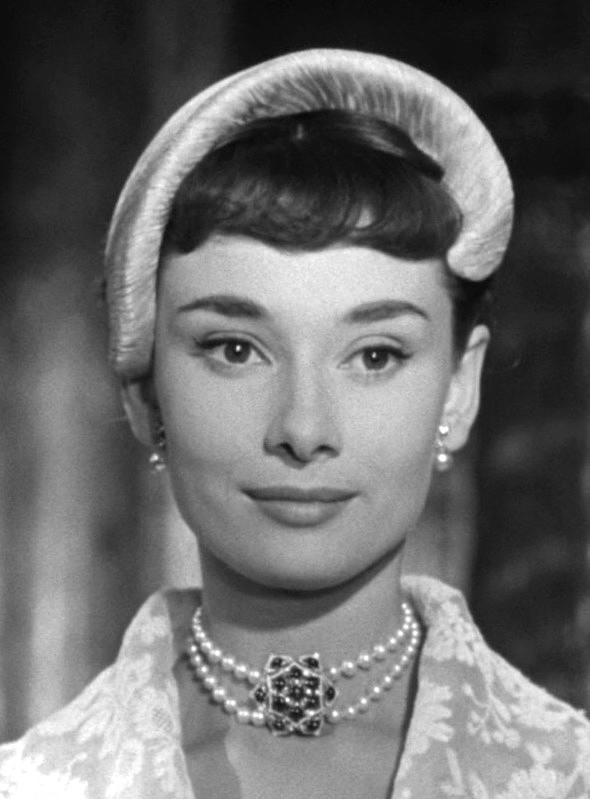 Audrey Hepburn in Roman Holiday, the film that made her an Oscar-winning star.
Audrey Hepburn’s first starring film role became one of the great Hollywood debuts. In Roman Holiday, released in 1953, she played Princess Ann, a sheltered royal who escapes her official duties and spends a day exploring Rome with an American reporter, played by Gregory Peck. The premise had the charm of a fairy tale, but Hepburn gave the princess a living emotional center.
What makes Roman Holiday so enduring is the balance between fantasy and restraint. Audrey is funny when Ann tastes freedom, radiant when she discovers Rome and quietly devastating when the holiday must end. Her final press-conference scene is a masterclass in controlled feeling: the princess returns to duty, the woman remembers love, and the actress lets both truths exist at once.
The Academy recognized Hepburn with the Oscar for Best Actress, and Roman Holiday won three Academy Awards from ten nominations. The film also earned her major international recognition, including BAFTA and Golden Globe honors. Just as importantly, it established her screen identity: graceful without stiffness, charming without calculation, and emotionally open without becoming sentimental.
Audrey’s sudden fame could have overwhelmed a less disciplined performer. Instead, she followed Roman Holiday with a string of roles that deepened her appeal. She did not simply repeat Princess Ann. She found variations on transformation, longing, innocence, maturity and self-possession, often playing women who had to learn how to live inside a world that underestimated them.
Audrey Hepburn : Sabrina, Fashion and the Givenchy Partnership
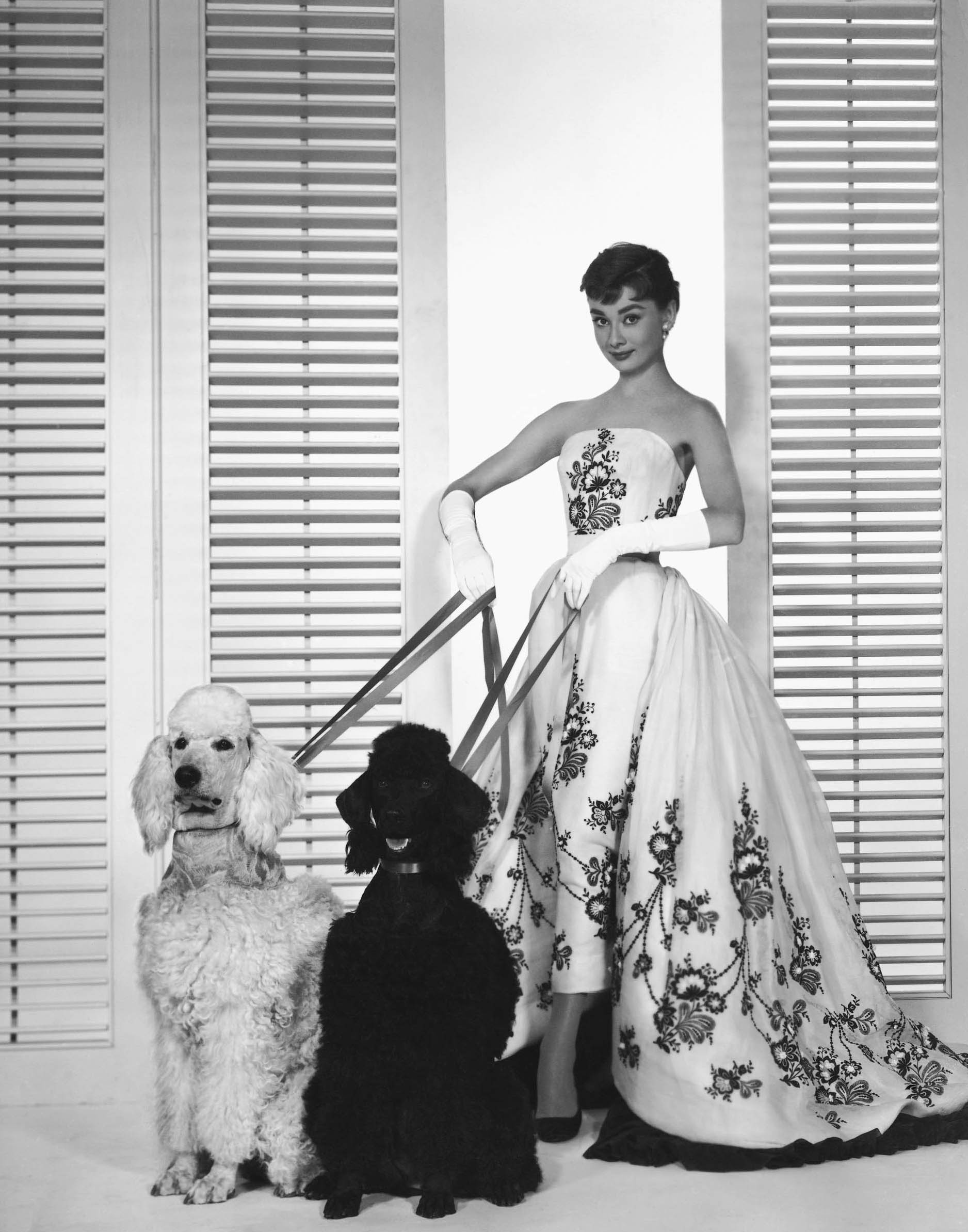 Audrey Hepburn in a studio publicity still for Sabrina.
In Sabrina, released in 1954, Audrey played Sabrina Fairchild, the chauffeur’s daughter who returns from Paris transformed into a poised young woman. Opposite Humphrey Bogart and William Holden, she embodied one of Hollywood’s favorite fantasies: the overlooked girl whose inner elegance becomes impossible to ignore. Yet Hepburn made Sabrina more than a makeover story. She allowed the character’s romantic confusion, pride and vulnerability to show through the clothes.
The film also helped begin one of the most important style partnerships in movie history. Audrey worked with Hubert de Givenchy, and the connection between performer and designer became inseparable from her public image. Givenchy’s clean lines, restrained drama and architectural simplicity suited Hepburn perfectly. His clothes did not bury her personality; they framed it.
This is one reason Audrey’s fashion influence has lasted so long. Her style was aspirational but not noisy. She helped popularize a kind of elegance based on proportion, simplicity and confidence rather than excess. Ballet flats, cropped trousers, boat-neck tops, black dresses and neat silhouettes became part of the Hepburn vocabulary, copied by fans who wanted not only her clothes but the feeling of lightness they suggested.
Audrey Hepburn : The 1950s Peak
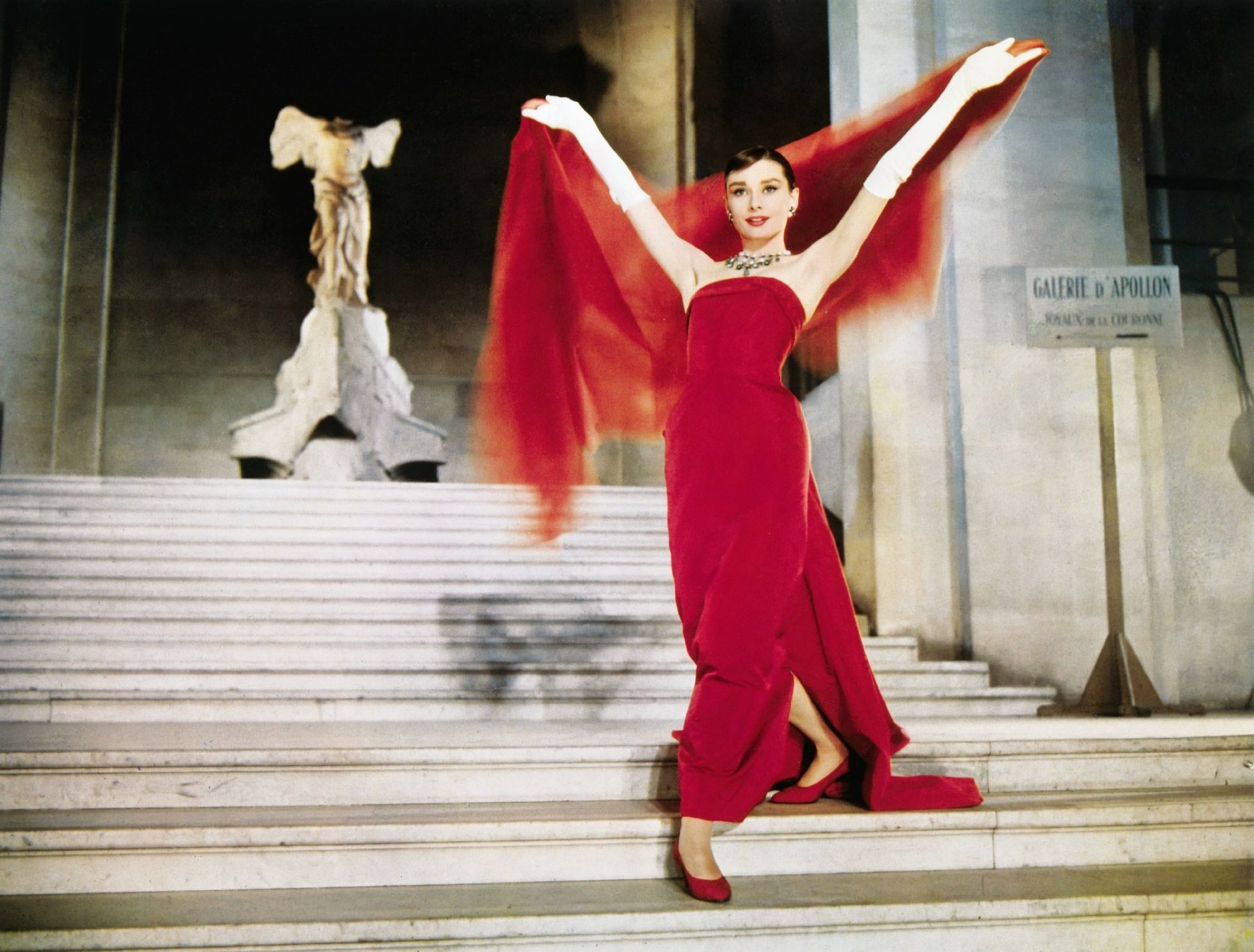 Audrey Hepburn in Funny Face, one of her key fashion-and-dance films.
The second half of the 1950s showed how quickly Audrey Hepburn had become one of Hollywood’s most bankable and respected stars. War and Peace placed her inside a large-scale literary adaptation. Funny Face paired her with Fred Astaire in a musical world of fashion photography, Paris locations and modern design. Love in the Afternoon gave her another romantic comedy under Billy Wilder’s direction.
Funny Face is especially important because it allowed Audrey to bring dance back to the screen. She was not a powerhouse musical performer in the old Broadway belter style, but she moved with precision and personality. Her dance sequences are light, angular and expressive, giving the film a visual freshness that still feels fashionable.
Then came The Nun’s Story in 1959, one of the most serious roles of Hepburn’s career. Playing Sister Luke, Audrey moved far away from the gamine romantic image that had made her famous. The film required inward conflict, spiritual discipline and a slow-burning emotional arc. Her performance earned another Academy Award nomination and showed critics that she was not merely a charming presence but a serious dramatic actress.
Audrey Hepburn : Breakfast at Tiffany’s and the Image That Would Not Fade
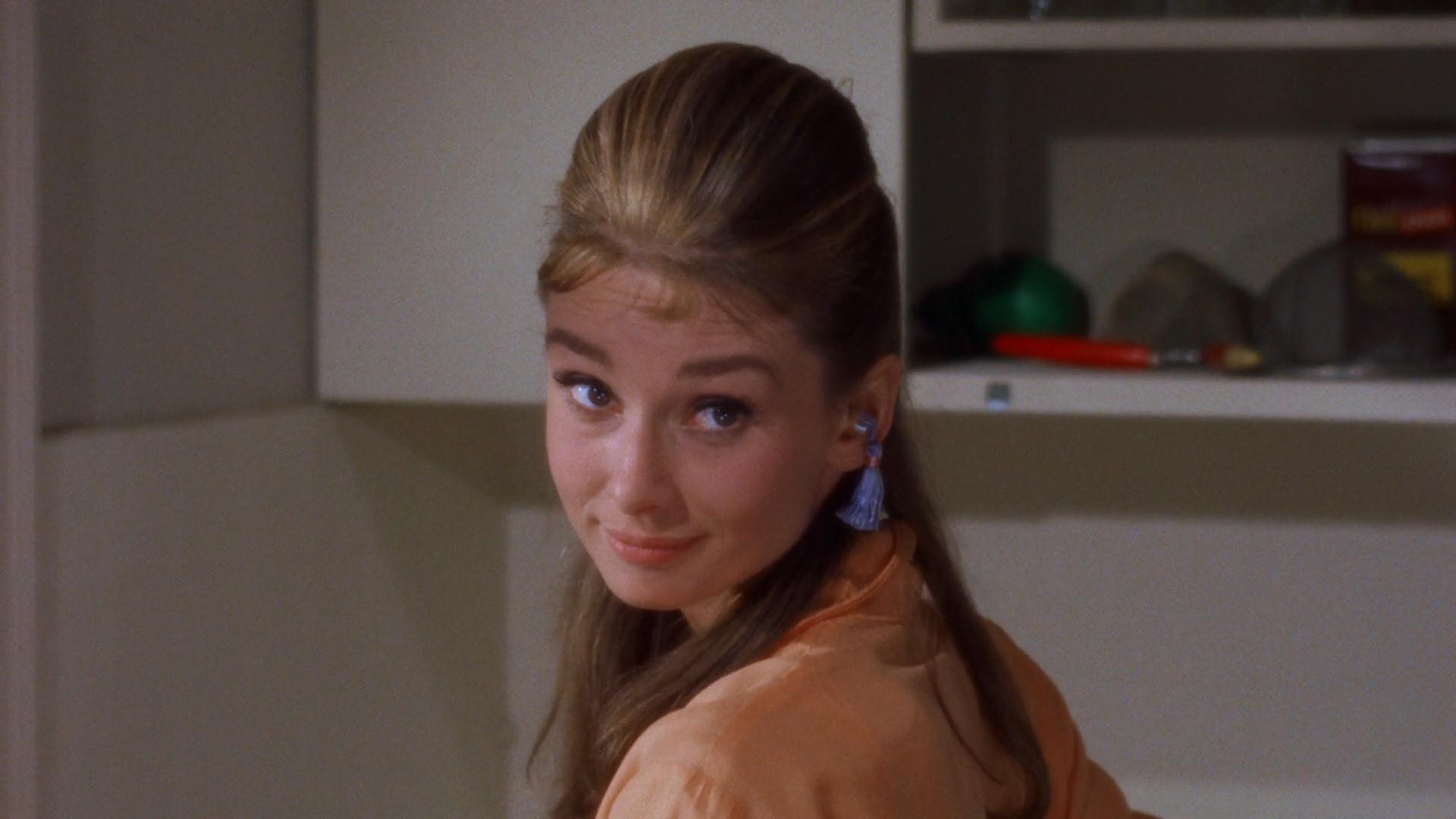 Audrey Hepburn as Holly Golightly in Breakfast at Tiffany’s.
If Roman Holiday made Audrey Hepburn a star, Breakfast at Tiffany’s made her immortal as an image. Released in 1961, the film cast her as Holly Golightly, the New York party girl who hides loneliness beneath style, wit and carefully staged self-invention. Holly is one of those roles that can be reduced too easily to costume: black dress, pearls, sunglasses, cigarette holder. But Hepburn’s performance is more delicate than the poster suggests.
Audrey makes Holly funny, evasive, wounded and childlike without turning her into a caricature. She plays the charm as a kind of armor. The famous opening, with Holly outside Tiffany & Co. in the early morning, works because she seems both glamorous and lost. She is performing sophistication for the city, for men, for herself, and perhaps for the life she wishes she had.
The role remains complicated today, partly because the film itself contains elements that modern viewers rightly question. Yet Hepburn’s central performance continues to fascinate because she finds the ache inside the fantasy. Holly Golightly is not merely a fashion icon. In Audrey’s hands, she is a woman trying to stay untethered because attachment feels dangerous.
Audrey Hepburn : Charade, My Fair Lady and Wait Until Dark
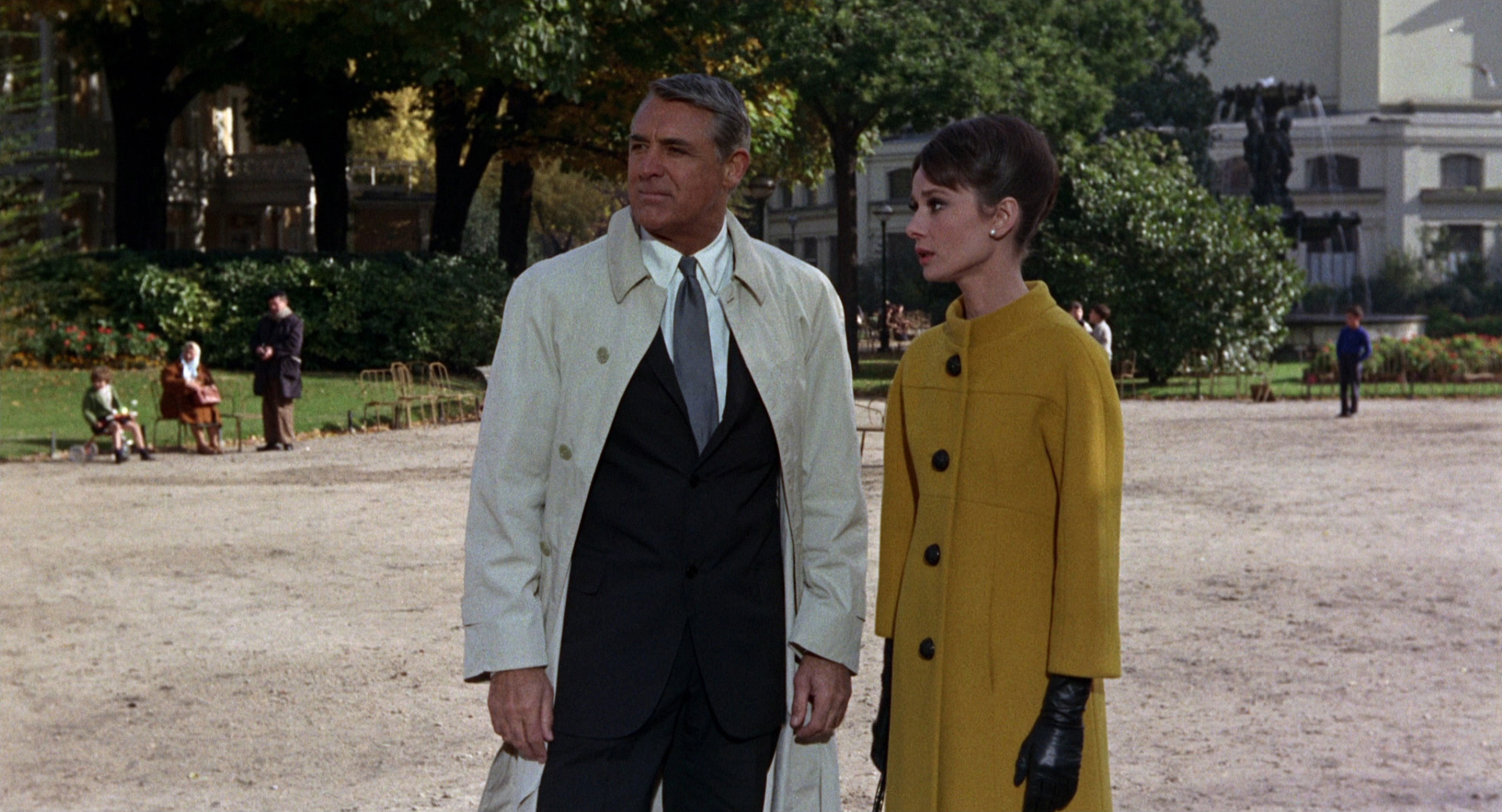 Audrey Hepburn and Cary Grant in Charade.
The 1960s brought more classic Audrey Hepburn performances. In Charade, she starred opposite Cary Grant in a stylish romantic thriller that mixed suspense, comedy and Paris glamour. Grant was decades into his career, but Hepburn met him with a lightness that kept the film playful. Their chemistry helped make Charade one of the most beloved Hitchcock-like thrillers not directed by Alfred Hitchcock.
My Fair Lady, released in 1964, placed Audrey in the role of Eliza Doolittle, the Cockney flower seller transformed through language and social training. The casting was controversial because Julie Andrews had originated the part on Broadway, and Hepburn’s singing was partly dubbed in the film. Even so, Audrey’s screen performance gave Eliza tenderness, stubbornness and visual radiance, and the film became a major musical landmark.
 Audrey Hepburn as Eliza Doolittle in My Fair Lady.
Wait Until Dark in 1967 showed another side of Hepburn. Playing Susy Hendrix, a blind woman terrorized by criminals in her apartment, Audrey carried a tense thriller with vulnerability and resourcefulness. The role earned her fifth competitive Oscar nomination for Best Actress. It also proved that the fragility audiences associated with her could be turned into suspense, courage and survival.
Audrey Hepburn : Personal Life and Retreat from Constant Stardom
Audrey Hepburn’s personal life was often watched closely, but she never seemed comfortable being consumed by fame. She married actor Mel Ferrer in 1954, and they had a son, Sean, in 1960. After that marriage ended, she married Italian psychiatrist Andrea Dotti in 1969, and their son Luca was born in 1970. Later, she spent many of her final years with Dutch actor Robert Wolders.
By the late 1960s, Hepburn began stepping away from the relentless pace of movie stardom. This was not a disappearance so much as a reordering of priorities. She had worked intensely through the 1950s and 1960s, and motherhood mattered deeply to her. Rather than compete to remain the busiest actress in Hollywood, she chose a more private life.
Her later screen appearances were therefore fewer and more selective. Robin and Marian in 1976 paired her with Sean Connery in a reflective take on the Robin Hood legend. They All Laughed in 1981 gave her another romantic role. Her final screen appearance came in Steven Spielberg’s Always in 1989, a small part that now feels like a graceful farewell to cinema.
Audrey Hepburn : UNICEF and Humanitarian Work
Audrey Hepburn’s humanitarian work was not an ornamental final chapter. In 1988 she became a UNICEF Goodwill Ambassador, and she approached the role with seriousness, stamina and emotional commitment. UNICEF’s own account of her work describes field visits to countries including Ethiopia, Turkey, Venezuela, Ecuador, Guatemala, Honduras, El Salvador, Bangladesh, Thailand, Viet Nam and Sudan.
Her first major UNICEF field mission took her to Ethiopia, where famine and conflict had devastated children and families. After seeing the emergency work firsthand, Audrey spoke to media across the United States, Canada and Europe, sometimes giving many interviews in a single day. She understood that celebrity attention could be converted into public awareness, donations and political pressure.
This work had a personal root. Audrey had received post-war relief as a child, and she spoke openly about her gratitude for organizations that helped children survive. That memory gave her advocacy unusual force. She was not speaking as a distant celebrity lending her name to a cause; she was speaking as someone who had once been a hungry child in a broken Europe.
In 1992, Hepburn received the Presidential Medal of Freedom for her humanitarian service. The Academy’s Board of Governors also voted to confer the Jean Hersholt Humanitarian Award on her in January 1993. Audrey died on January 20, 1993, before she could personally receive that Oscar honor, but the award confirmed what many already understood: her final role was one of the most meaningful of her life.
Audrey Hepburn : Awards and Major Recognition
Audrey Hepburn’s awards record tells the story of both immediate impact and long-term respect. She won the Academy Award for Best Actress for Roman Holiday and received four further competitive Best Actress nominations for Sabrina, The Nun’s Story, Breakfast at Tiffany’s and Wait Until Dark. That spread of nominations across more than a decade shows how consistently she remained a serious awards contender.
Her recognition was not limited to the Academy. She won BAFTA honors, Golden Globe recognition and a Tony Award for Ondine. Later honors, including the Cecil B. DeMille Award, the Presidential Medal of Freedom and the Jean Hersholt Humanitarian Award, recognized not only the young star of Roman Holiday but the full arc of her public life.
The American Film Institute later ranked Audrey Hepburn as the third-greatest female screen legend of classic Hollywood. Rankings can never fully explain stardom, but this one captures her unusual permanence. Audrey was not merely popular in her own moment. She became part of the visual and emotional language of cinema itself.
Selected Audrey Hepburn Filmography
1953 : Roman Holiday – Princess Ann; Academy Award-winning breakthrough role
1954 : Sabrina – Sabrina Fairchild; major romantic role and style milestone
1956 : War and Peace – Natasha Rostova in the Tolstoy adaptation
1957 : Funny Face – Jo Stockton; musical role opposite Fred Astaire
1959 : The Nun’s Story – Sister Luke; major dramatic Oscar-nominated performance
1961 : Breakfast at Tiffany’s – Holly Golightly; one of her defining screen images
1963 : Charade – Regina Lampert; romantic thriller opposite Cary Grant
1964 : My Fair Lady – Eliza Doolittle in the Oscar-winning musical
1967 : Wait Until Dark – Susy Hendrix; thriller role and fifth Oscar nomination
1976 : Robin and Marian – Maid Marian opposite Sean Connery
1989 : Always – Final screen role, directed by Steven Spielberg
Audrey Hepburn : Why Her Legacy Still Works
Audrey Hepburn’s legacy survives because it is built on several kinds of memory at once. Film lovers remember the performances. Fashion lovers remember the silhouettes. Humanitarian audiences remember UNICEF. Casual fans remember the photographs. Serious admirers find the life behind the image: a woman shaped by displacement, discipline, motherhood, privacy and service.
She also represents a kind of stardom that feels increasingly rare. Audrey could be glamorous without seeming unreachable. She could be funny without cruelty, romantic without heaviness, elegant without arrogance. Even when the films around her belonged unmistakably to their time, her best work kept a modern emotional clarity.
For Movie Star Biographies, Hepburn is a perfect cornerstone subject because her life connects several evergreen search interests: classic Hollywood, Oscar history, fashion, famous films, humanitarian work, personal resilience and lasting celebrity legacy. She is not just a name people search; she is a figure readers want to understand.
Related Articles
20 Classic Hollywood Actresses Everyone Should Know
20 Movie Stars Who Defined Old Hollywood Glamour
Top 20 Best Black-and-White Movies for New Classic Film Fans
Top 10 Audrey Hepburn Movies Ranked
Where to Start with Audrey Hepburn Movies