The Best Audrey Hepburn Movies
Audrey Hepburn’s image is so familiar that first-time viewers can feel they already know the films. The little black dress, the tiara, the cigarette holder, the Vespa and the Givenchy silhouette circulate independently of the performances that gave them meaning.
The best way to discover Hepburn is to begin with the contrast between image and character. Her elegance often belongs to women improvising under pressure: a princess escaping protocol, a chauffeur’s daughter learning self-command, a young woman inventing a glamorous identity to survive New York or a blind photographer using intelligence against intruders.
This guide ranks ten films for new viewers rather than claiming to identify the only ten works that matter. Accessibility is important, but so are performance quality, career significance and variety. The order creates a route through romance, comedy, suspense, musical spectacle and mature drama.
The BFI’s guide to ten essential Audrey Hepburn films provides a valuable wider context, including the brief concentration of major work between 1953 and 1967. Readers wanting the full life story, including Hepburn’s wartime childhood and UNICEF work, should also read the Audrey Hepburn biography.
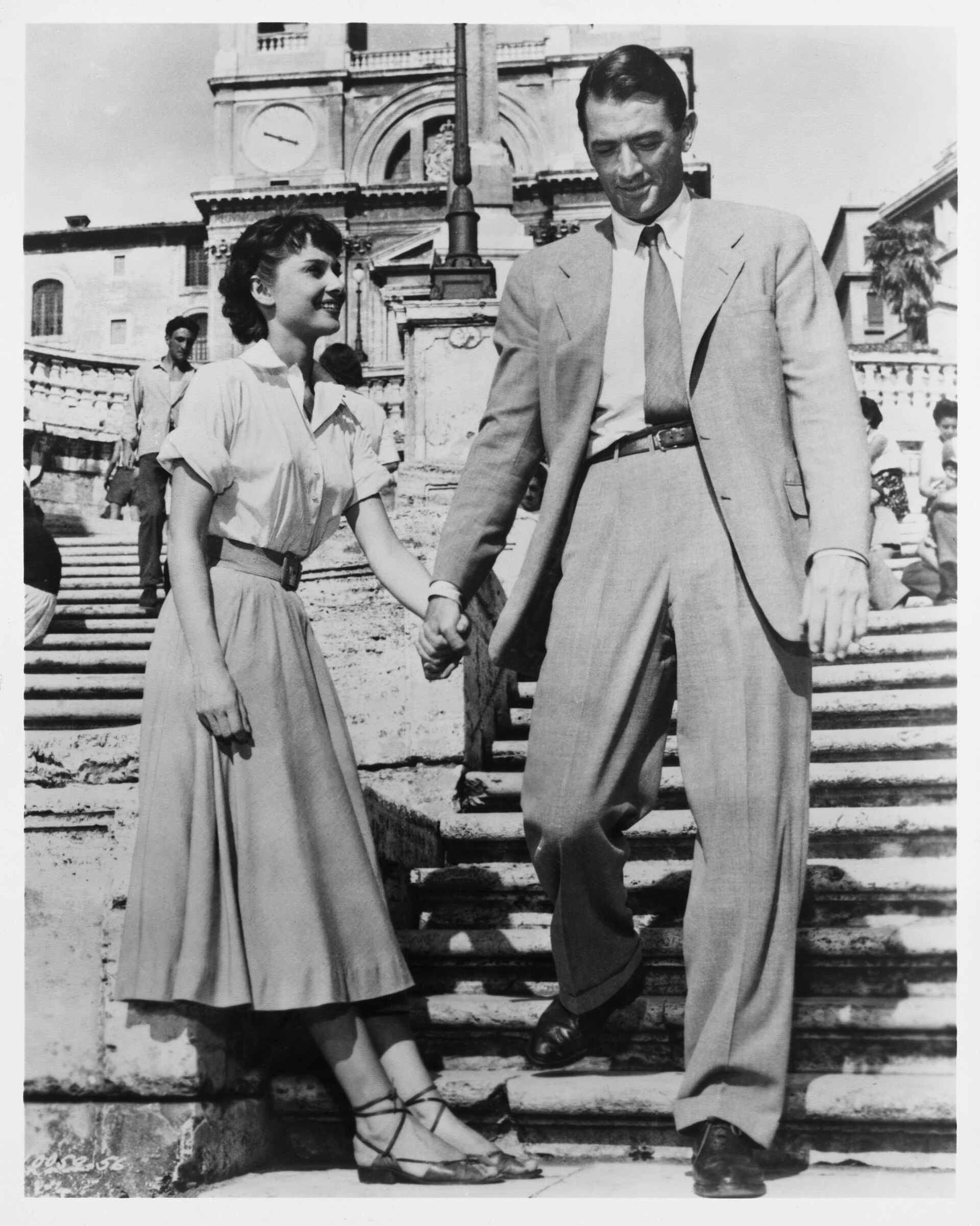 Audrey Hepburn and Gregory Peck in a 1953 publicity image for Roman Holiday. Image: Paramount Pictures; Public domain.
How These Audrey Hepburn Movies Were Chosen
A strong first impression : Does the film introduce a central aspect of Hepburn’s appeal without requiring specialist knowledge?
Performance quality : Does the role give her meaningful emotional, comic or physical work?
Range : Does the full list move beyond fashion and romantic comedy?
Historical importance : Did the film shape Hepburn’s career or the wider culture around her?
Modern viewing experience : Can a new viewer engage with the film while recognizing elements that have aged poorly?
The result is not a box-office table or an awards count. It is an editorial viewing path, designed to help readers choose what to watch first and what to notice.
10How to Steal a Million (1966)
Director : William Wyler
Co-star : Peter O’Toole
Best for : light comedy, Paris style and a relaxed late-period Hepburn.
Hepburn plays Nicole Bonnet, the daughter of a wealthy art forger. When her father lends a fake Cellini sculpture to a Paris museum, scientific testing threatens to expose him. Nicole recruits Simon Dermott, whom she assumes is a burglar, to steal the sculpture back.
The plot turns crime into romantic play. Hepburn’s alertness keeps Nicole from becoming decoration among Givenchy clothes and elegant interiors. She knows her father’s charm has consequences and becomes the practical intelligence inside the caper.
Peter O’Toole provides a teasing partner whose real purpose remains hidden. Their scenes are less emotionally charged than Hepburn’s great romances, but the film’s lightness makes it an easy tenth step for viewers who have already sampled her major work.
How to Steal a Million also reunites Hepburn with William Wyler, director of Roman Holiday and The Children’s Hour. The change in tone across those films shows how comfortably she could move between romantic fantasy and serious drama.
9Two for the Road (1967)
Director : Stanley Donen
Co-star : Albert Finney
Best for : a mature, formally inventive portrait of marriage.
Joanna and Mark Wallace travel through France while remembering earlier journeys that trace the beginning, development and near-collapse of their relationship. The film moves between time periods without conventional transitions, using clothes, cars and emotional tone to orient the viewer.
Hepburn was often asked to embody transformation from innocence to sophistication. Two for the Road gives that transformation duration and cost. Joanna can be playful, angry, unfaithful, forgiving and exhausted. The performance refuses the fixed purity associated with Hepburn’s star image.
Albert Finney’s rougher energy disrupts the polished romantic world of her earlier films. Their arguments do not become witty misunderstandings waiting for a neat resolution. The film asks whether shared history is a reason to remain together or merely the material from which separation becomes painful.
It ranks ninth for first-time viewers because its fractured structure and bitterness may surprise anyone expecting Roman Holiday. That surprise is exactly why it belongs in an introduction to her range.
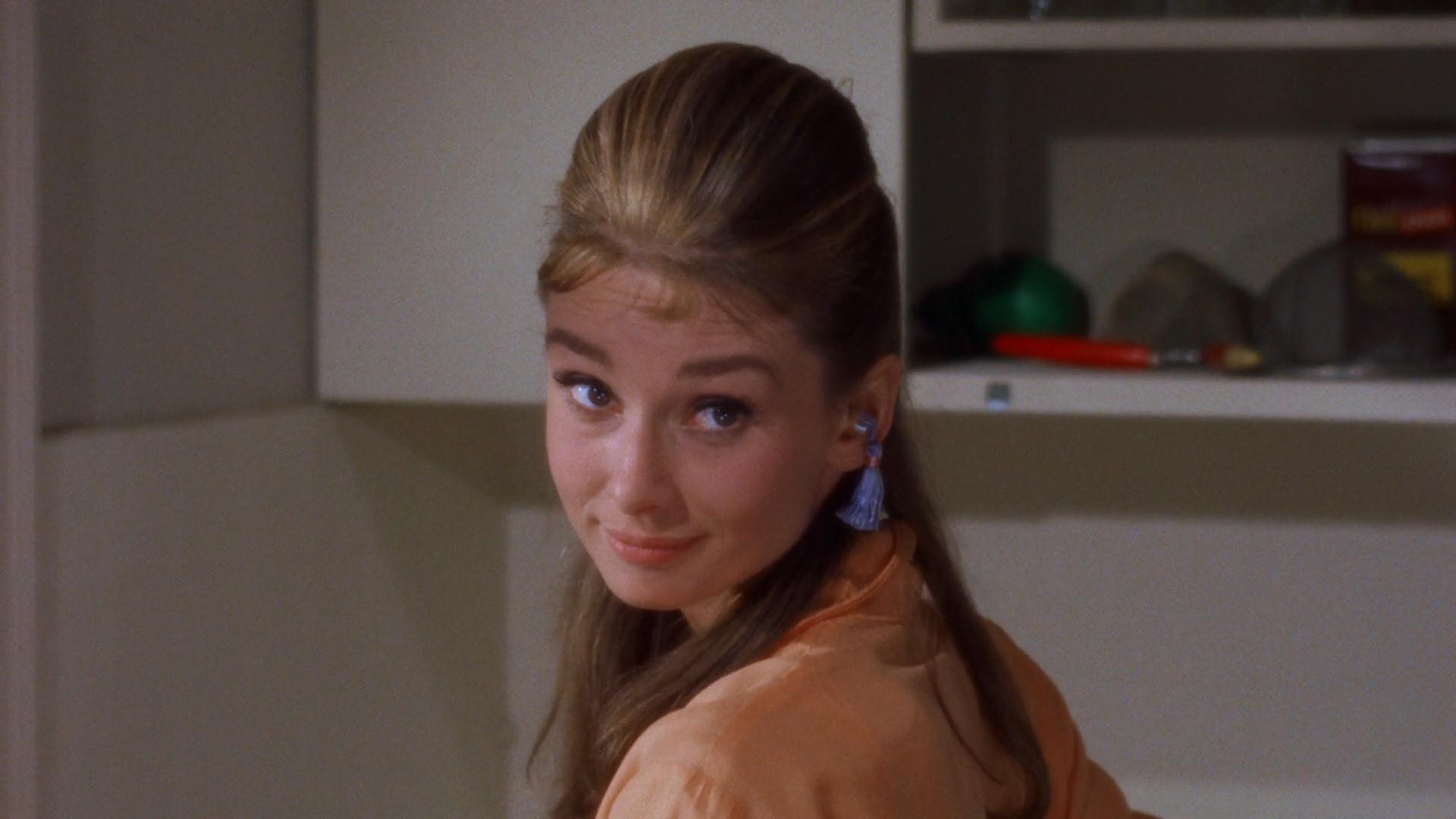 Audrey Hepburn as Holly Golightly in Breakfast at Tiffany’s (1961). Image: Trailer screenshot; Public domain.
8My Fair Lady (1964)
Director : George Cukor
Co-star : Rex Harrison
Best for : lavish musical spectacle, costume design and Hepburn’s physical characterization.
Hepburn plays Eliza Doolittle, a Cockney flower seller whom phonetics professor Henry Higgins attempts to transform into a society lady. The production is one of Hollywood’s most elaborate adaptations of a Broadway musical, filled with Cecil Beaton’s costumes and monumental sets.
Discussion of the film often begins with casting. Julie Andrews had created Eliza onstage, while most of Hepburn’s singing in the finished film was dubbed by Marni Nixon. Those facts matter, but they should not erase the visible performance. Hepburn changes Eliza through posture, breath, gaze and the social use of space.
The Ascot sequence is a comic study in imposed control: Eliza’s clothes and pronunciation conform while excitement breaks through the training. Later scenes become more difficult as she recognizes that Higgins has treated transformation as an experiment without planning what happens to the person afterward.
The film’s treatment of class and its romantic resolution invite debate. For beginners, it is best watched as both magnificent studio craft and an argument whose power relationships should remain visible.
7The Nun’s Story (1959)
Director : Fred Zinnemann
Co-stars : Peter Finch and Edith Evans
Best for : Hepburn’s most disciplined dramatic performance.
Gabrielle Van der Mal enters a convent, becomes Sister Luke and trains as a nurse. Her intelligence and professional pride repeatedly conflict with the religious demand for obedience. Work in the Belgian Congo and the approach of the Second World War deepen that conflict.
Hepburn removes many of the gestures associated with her romantic roles. The performance is built through restraint, routine and the effort not to reveal resistance. Sister Luke’s struggle is not a simple rejection of faith; it is the recognition that her sense of duty cannot be separated from individual judgment.
The film moves deliberately and asks for patience. New viewers who know only the fashion icon may find it the most important correction in the list. Hepburn holds attention without glamour, comic speed or conventional romance.
The BFI’s Audrey Hepburn guide notes the preparation she undertook and the film’s connection to her growing awareness of United Nations humanitarian work. It also brought another Academy Award nomination.
6Wait Until Dark (1967)
Director : Terence Young
Co-star : Alan Arkin
Best for : suspense and Hepburn’s resourceful late-1960s work.
Hepburn plays Susy Hendrix, a blind woman targeted by criminals searching for drugs hidden inside a doll. Most of the film is confined to her basement apartment, where familiar domestic space becomes a map of danger and possible defense.
The performance avoids treating blindness as helplessness. Susy makes mistakes, experiences fear and needs assistance, but she also learns how the intruders manipulate information. Her knowledge of the apartment becomes a form of tactical control.
Hepburn trained at the Lighthouse for the Blind in New York. The preparation does not make every element of the film beyond criticism, but it supports a physical performance based on orientation, sound and practiced routine.
The final sequence remains extraordinarily effective. Susy attempts to equalize the situation by destroying the lights, while the film turns darkness into both protection and threat. Hepburn received her fifth Academy Award nomination for Best Actress.
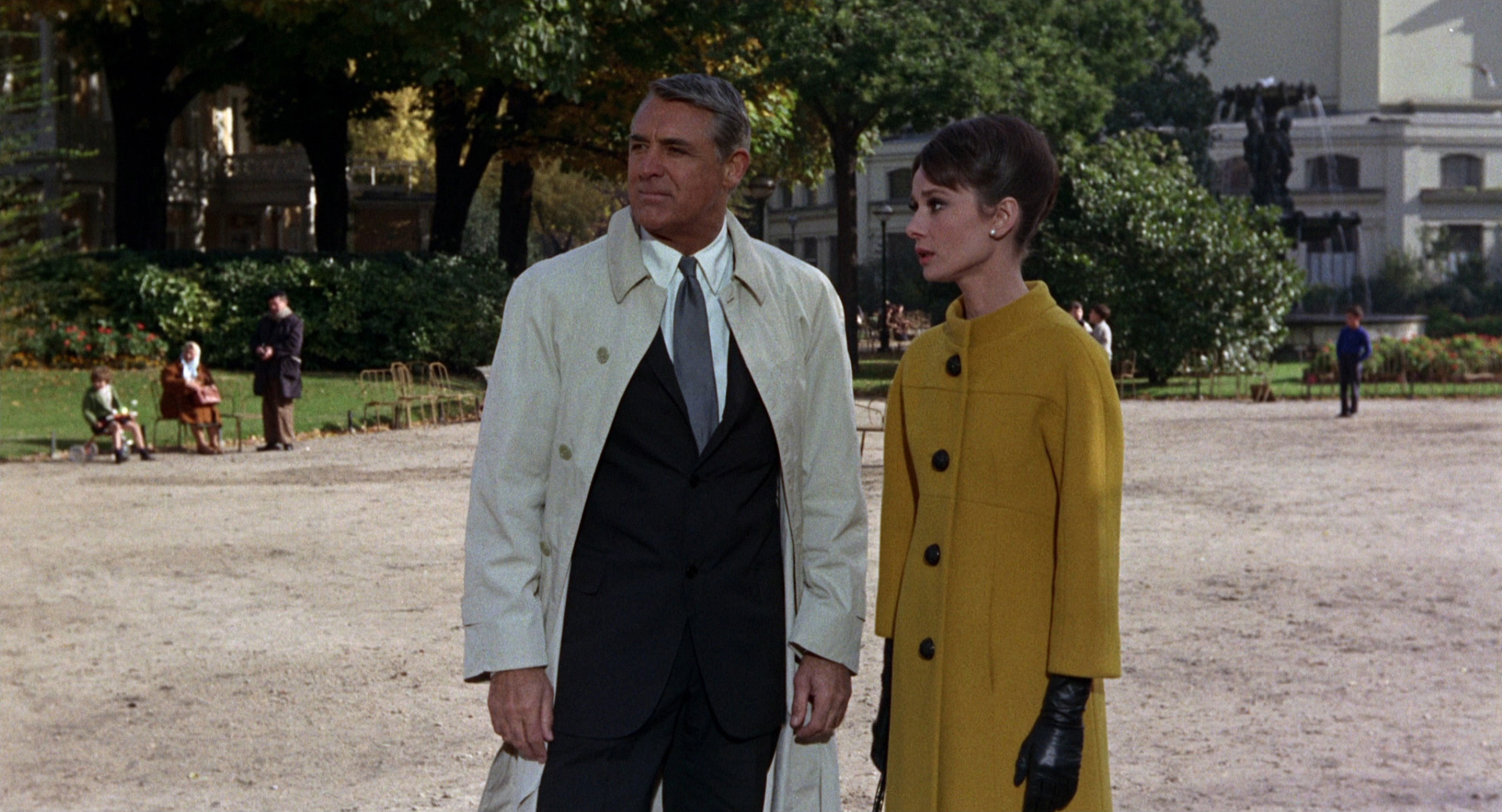 Audrey Hepburn and Cary Grant in Charade (1963). Image: Directed and produced by Stanley Donen; cinematography by Charles Lang; Public domain.
5Funny Face (1957)
Director : Stanley Donen
Co-star : Fred Astaire
Best for : fashion, Gershwin songs, Paris and Hepburn’s dance training.
Hepburn plays Jo Stockton, a Greenwich Village bookshop assistant drawn into the fashion world by photographer Dick Avery and editor Maggie Prescott. Paris provides the fantasy destination, but the film’s real subject is the conversion of personality into image.
Hepburn had trained in ballet, and Funny Face allows movement to become part of the character rather than a publicity fact. Her solo in the smoky café is angular, playful and personal. She does not attempt to imitate Astaire’s style; the contrast creates the number.
The film’s fashion photography, color and graphic design are central pleasures. Richard Avedon served as a visual consultant, and Givenchy’s clothes contribute to a screen identity that would shape popular ideas of elegance for decades.
The romance’s age difference and the story’s suspicion of Jo’s intellectual interests may feel dated. Even so, Hepburn’s joy in movement and Donen’s visual imagination make this an essential part of a first viewing path.
4Sabrina (1954)
Director : Billy Wilder
Co-stars : Humphrey Bogart and William Holden
Best for : early Hepburn glamour and a Cinderella story with emotional intelligence.
Sabrina Fairchild, the daughter of a chauffeur employed by the wealthy Larrabee family, grows up in love with younger son David. After studying cooking in Paris, she returns with new confidence and attracts both David and his responsible older brother Linus.
The premise risks suggesting that clothes create worth. Hepburn’s performance offers a more interesting transformation. Paris gives Sabrina distance from the humiliations of childhood and a way to inhabit attention without begging for it.
Humphrey Bogart was an unconventional romantic partner for her, and their scenes have a guarded quality. Linus treats Sabrina as a business problem before recognizing that his own carefully managed life is emotionally incomplete.
The production also began Hepburn’s defining collaboration with Hubert de Givenchy. Costume matters because character uses it. Sabrina’s new appearance changes how others behave, but Hepburn keeps the memory of the observant young woman inside the sophisticated return.
3Breakfast at Tiffany’s (1961)
Director : Blake Edwards
Co-star : George Peppard
Best for : understanding Hepburn’s most famous image—and the sadness underneath it.
Holly Golightly lives in New York through charm, performance and strategic relationships with wealthy men. Hepburn’s black dress, sunglasses and updo became cultural shorthand for sophistication, but Holly is a character built around instability.
Hepburn makes self-invention both exciting and exhausting. Holly can turn an ordinary morning into theatre, then reveal panic when the identity she has created no longer protects her. “Moon River” matters because the performance briefly removes the social display; a woman alone at a window sings about movement and belonging.
The film also contains a racist caricature of Japanese neighbor Mr. Yunioshi, played by Mickey Rooney. The scenes are offensive, unnecessary and impossible to excuse as harmless period humor. First-time viewers should be prepared for them rather than allow the film’s stylish reputation to conceal the problem.
The adaptation significantly changes Truman Capote’s novella and softens Holly’s world into romance. Hepburn nevertheless finds loneliness, fear and resilience within the studio construction. The role ranks third because it is essential to understanding her cultural image, not because every part of the film has aged well.
2Charade (1963)
Director : Stanley Donen
Co-star : Cary Grant
Best for : an immediately accessible blend of mystery, comedy, romance and Paris.
Regina Lampert returns from holiday intending to divorce her husband and discovers that he has been murdered. Several dangerous men believe she knows where he hid a fortune. Cary Grant offers help while repeatedly changing his name and explanation.
Hepburn’s great strength in romantic suspense is active curiosity. Regina is frightened, but she continues to ask questions, test stories and use wit as self-defense. Grant’s ambiguity gives her something to investigate as well as desire.
The film’s tone changes easily. A murder can lead to a comic exchange, a chase to flirtation and a romantic scene to renewed suspicion. Hepburn holds those transitions together because Regina’s emotional objective remains clear: she wants someone trustworthy without surrendering the judgment required to identify that person.
For many modern viewers, Charade is the easiest Audrey Hepburn film to enjoy immediately. It ranks second because it displays her comic timing, glamour and vulnerability inside a fast-moving genre story.
1Roman Holiday (1953)
Director : William Wyler
Co-star : Gregory Peck
Best for : the most complete first introduction to Audrey Hepburn.
Princess Ann, exhausted by ceremonial duties, escapes her country’s embassy and spends a day in Rome with American reporter Joe Bradley. He recognizes her and initially plans a secret story, but the day changes what both are willing to exploit.
Hepburn’s first major Hollywood role contains the qualities that would define her without feeling like a summary assembled after the fact. Ann is poised but not distant, innocent but not foolish, delighted by freedom and increasingly aware of its limit.
The haircut, the Vespa and the Spanish Steps provide famous images, but the performance is strongest in quieter moments. Hepburn shows Ann learning to make ordinary choices—what to eat, where to go, whom to trust—as though they are luxuries.
Gregory Peck gives her space. Joe’s change from opportunism to protection would feel sentimental if Hepburn did not make the cost of Ann’s return so specific. The final press conference allows recognition and farewell to occur inside public formality.
Hepburn won the Academy Award for Best Actress. The Academy’s record of the 1954 ceremony confirms the win and the film’s other recognition. Awards aside, Roman Holiday remains number one because it is joyful, melancholy, accessible and complete.
What to Watch After Roman Holiday
If you want another light romance : Sabrina
If you want suspense : Charade, then Wait Until Dark
If you want fashion and music : Funny Face
If you want serious drama : The Nun’s Story
If you want the famous Holly Golightly image in context : Breakfast at Tiffany’s
If you want a mature, challenging relationship drama : Two for the Road
If you want lavish studio spectacle : My Fair Lady
Audrey Hepburn Movies That Just Missed the List
The Children’s Hour (1961) is historically and dramatically important, though its treatment of lesbian identity reflects the constraints and tragedies imposed by its period. Robin and Marian (1976) offers a tender mature performance opposite Sean Connery. War and Peace (1956) provides epic scale, while Love in the Afternoon (1957) contains Billy Wilder’s light touch but a distracting age-gap dynamic.
Paris When It Sizzles (1964), Green Mansions (1959), The Unforgiven (1960) and Bloodline (1979) are better approached after the essential work. Completists will find points of interest, but they are less effective introductions.
Final Verdict
Start with Roman Holiday. It introduces Hepburn’s humor, emotional restraint, physical expressiveness and ability to make elegance feel like a lived condition rather than surface decoration. Follow it with Charade for speed and Breakfast at Tiffany’s for the role that became inseparable from her public image.
Then deliberately break the image open. The Nun’s Story, Wait Until Dark and Two for the Road demonstrate that Hepburn’s appeal did not depend upon romantic innocence. The best first-time viewing path should not simply confirm the icon. It should reveal the actor who made the icon possible.
Best Audrey Hepburn Movies : Frequently Asked Questions
What is the best Audrey Hepburn movie to watch first?
Roman Holiday is the best starting point. It is accessible, emotionally complete and contains the performance that won Hepburn her Academy Award.
What is Audrey Hepburn’s most famous movie?
Breakfast at Tiffany’s created her most famous visual image, while Roman Holiday is often the strongest introduction to her acting.
Did Audrey Hepburn sing in My Fair Lady?
Hepburn recorded the songs, but most of her singing in the finished film was dubbed by Marni Nixon. Hepburn’s spoken, physical and emotional performance remains her own.
How many movies did Audrey Hepburn make with Cary Grant?
They made one film together: Charade.
Which Audrey Hepburn movie is a thriller?
Wait Until Dark is a contained suspense thriller. Charade combines thriller elements with comedy and romance.
Which Audrey Hepburn films earned Oscar nominations?
She received Best Actress nominations for Roman Holiday, Sabrina, The Nun’s Story, Breakfast at Tiffany’s and Wait Until Dark. She won for Roman Holiday.