Bela Lugosi : Personal Info
Birth name : Béla Ferenc Dezső Blaskó
Born : 20 October 1882, Lugos, Austria-Hungary
Died : 16 August 1956, Los Angeles, California
Nationality : Hungarian and American
Occupations : Actor
Years active : 1901–1956
Known for : Dracula, White Zombie, The Black Cat, Son of Frankenstein, The Wolf Man, The Body Snatcher, Plan 9 from Outer Space
Bela Lugosi : Introduction
Bela Lugosi’s Dracula lasts because he plays the Count as a host before revealing him as a predator. The deliberate English, fixed gaze and courtly pauses made vampirism social. Audiences could imitate the accent, but imitation often missed the control.
That one performance also narrowed his career. Lugosi arrived in America as an experienced Hungarian stage actor and political exile. Hollywood turned him into a symbol, then repeatedly offered weakened versions of the same menace. His later poverty and work with Ed Wood created a tragic legend that can obscure both his craft and resilience.
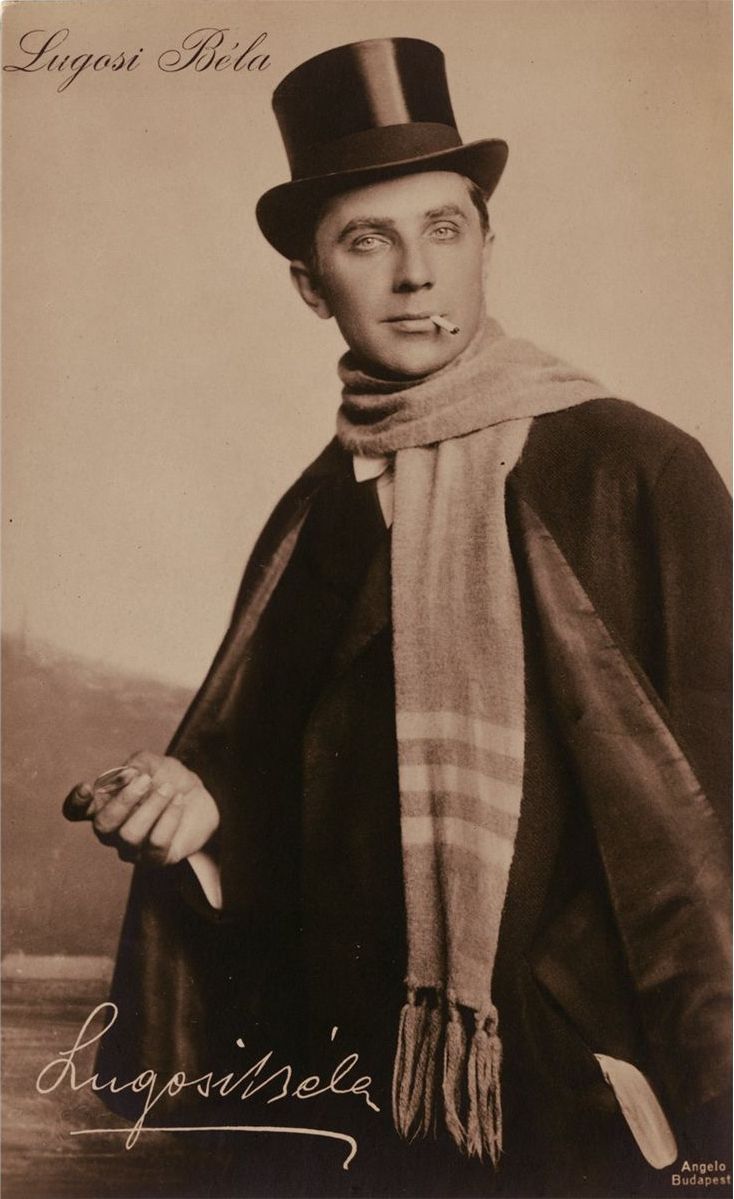 Bela Lugosi in a portrait from about 1920.
Bela Lugosi : Hungarian Theatre and Political Exile
Lugosi was born in Lugos, then part of Austria-Hungary and now Lugoj in Romania. He left home as a teenager and built a stage career in provincial companies and Budapest. Roles ranged beyond horror, and he also appeared in Hungarian silent films.
He served during the First World War and was wounded. After the war he helped organise actors during the short-lived Hungarian Soviet Republic. Political change placed left-wing union figures at risk, and he left Hungary, working in Germany before travelling to the United States.
Lugosi entered through New Orleans as a seaman and later regularised his status. He initially performed for Hungarian-speaking audiences, learning English lines phonetically before he was fluent.
Bela Lugosi : Broadway’s Count Dracula
The decisive role came with the 1927 Broadway production of Dracula, adapted from Bram Stoker’s novel through Hamilton Deane and John L. Balderston’s stage version. Lugosi’s physical stillness and accent turned difference into aristocratic mystery.
Universal did not automatically choose him for the film. Lon Chaney had been associated with the property before his death, and the studio considered other actors. Lugosi campaigned for the role and accepted relatively modest pay.
Tod Browning’s Dracula (1931) retains the stage production’s pauses and drawing-room structure. Modern viewers may find the pace formal, but Lugosi understands how to make silence an action. He watches other characters decide whether politeness is more important than fear.
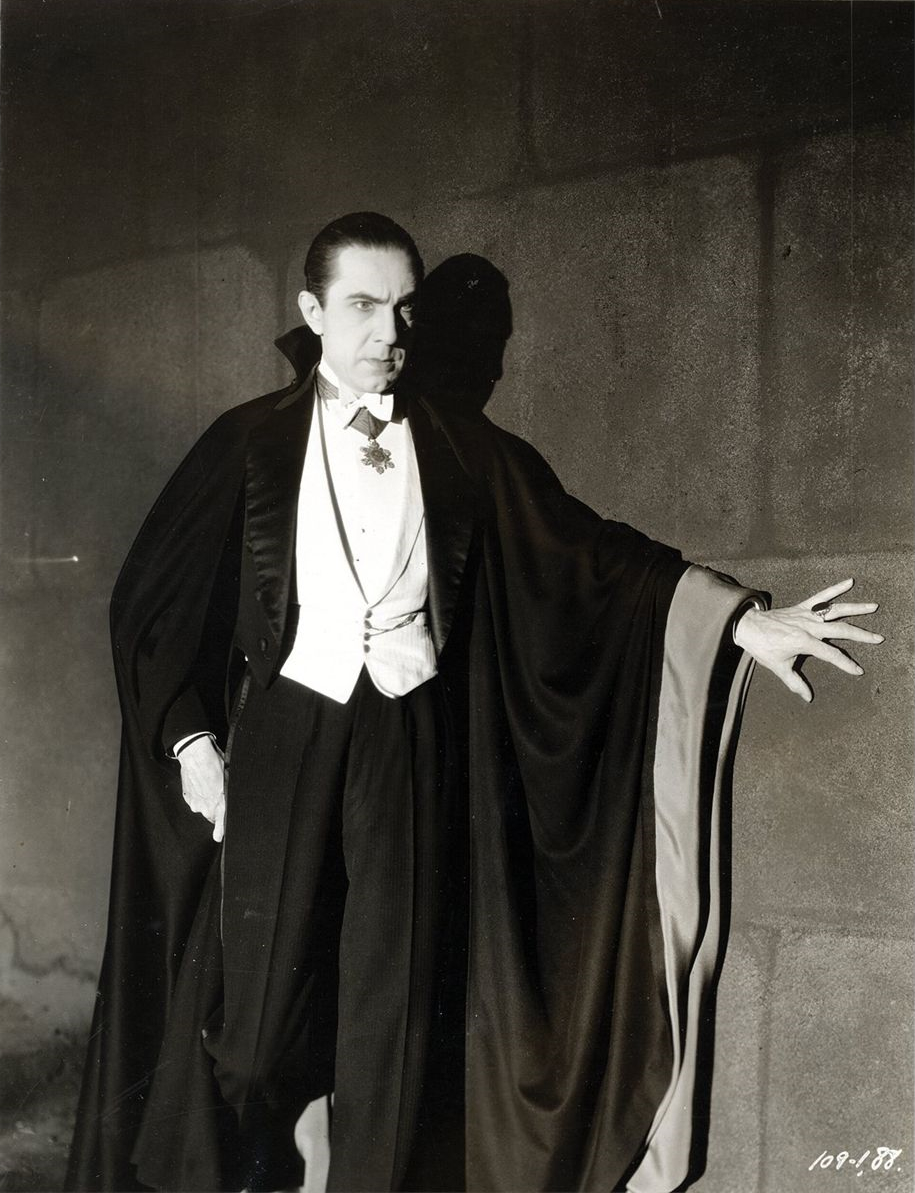 Bela Lugosi as Count Dracula in a 1931 Universal publicity photograph.
Bela Lugosi : Typecasting and Universal Horror
Dracula made Lugosi internationally recognisable. It did not give him the flexible contract career that Boris Karloff later enjoyed. Accent, studio assumptions and his own professional decisions all contributed to typecasting.
Accounts often claim he simply rejected Frankenstein because the monster had no dialogue. Development was more complicated, involving tests, changing scripts and uncertain creative control. What is clear is that Karloff’s performance became the other great face of Universal horror.
Lugosi found strong roles elsewhere. In White Zombie he is a watchful plantation owner controlling the dead. The Black Cat pairs him with Karloff in an extraordinary modernist nightmare, while The Raven turns literary obsession into sadism.
Bela Lugosi : Son of Frankenstein and Ygor
Son of Frankenstein (1939) gave Lugosi one of his best parts. Ygor is a broken-necked survivor who manipulates the monster and the Frankenstein family. Bent posture, beard and sly humour free the actor from Dracula’s elegance.
The role proved he could transform when offered character rather than imitation. He returned as Ygor in The Ghost of Frankenstein and finally played Frankenstein’s monster in Frankenstein Meets the Wolf Man, although much of his dialogue was removed.
Lugosi also appeared in The Wolf Man as the doomed fortune teller whose name, Bela, becomes a dark joke. Smaller billing did not prevent him from giving the exposition personal gravity.
Bela Lugosi : Karloff, Poverty and Addiction
Studio publicity encouraged a rivalry with Karloff. Their salaries and opportunities were unequal, but there is little evidence of the personal hatred later stories require. They worked together repeatedly, with contrast rather than feud driving the films.
By the 1940s, declining horror production and low-budget typecasting reduced Lugosi’s income. Chronic pain contributed to dependence on morphine and methadone. In 1955 he entered treatment publicly, becoming one of the first major Hollywood actors to speak openly about drug rehabilitation.
The addiction should not be treated as a morality tale. Wartime injury, medical practice, age and professional decline all formed part of the history.
Bela Lugosi and Ed Wood
Director Ed Wood offered Lugosi attention and work during his final years. Glen or Glenda uses him as a strange narrator, while Bride of the Monster gives him a long speech about rejection and vindication that carries clear autobiographical force.
Wood’s films are technically limited, but the relationship was not merely exploitation. Lugosi needed money and relevance; Wood genuinely admired him. The footage later used in Plan 9 from Outer Space was filmed before Lugosi’s death and incorporated into the completed picture with a double concealing his face.
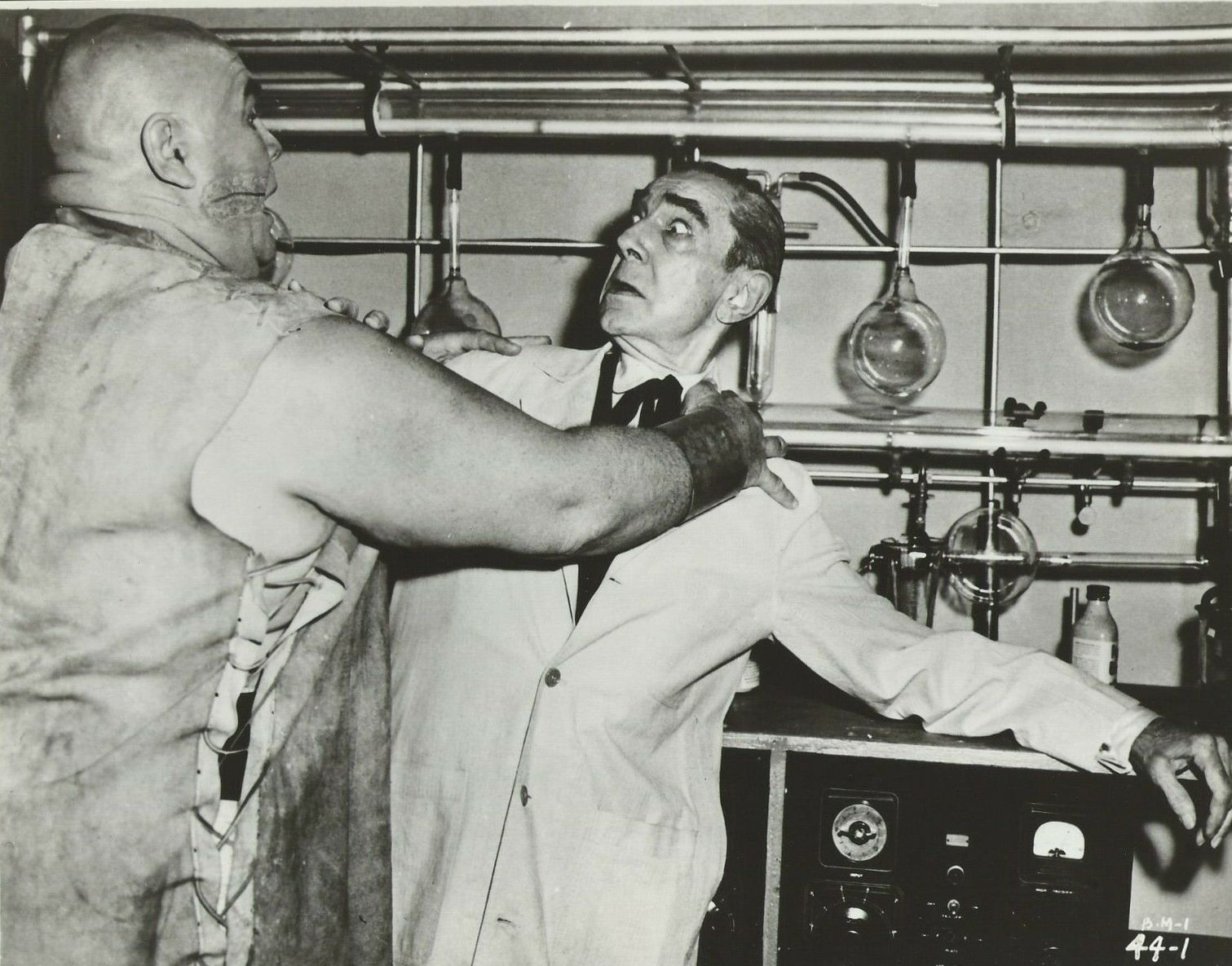 Bela Lugosi with Tor Johnson in Bride of the Monster (1955).
Bela Lugosi : Marriages, Death and Legacy
Lugosi married five times. His marriage to Lillian Arch produced his only child, Bela G. Lugosi. Family relationships were affected by financial and health problems, while the Dracula image remained unavoidable.
He died from a heart attack in 1956, aged 73, and was buried wearing one of his Dracula capes. The choice was made by family, not as a studio stunt.
Lugosi’s legacy exceeds camp imitation. He established the screen vampire as seductive, foreign, formal and verbally controlled. Later actors could reject his model only because it was so clear.
His career also shows the cost of typecasting an immigrant performer. Dracula gave him immortality, but Hollywood rarely asked what else he had brought with him from the Hungarian stage.
Selected Bela Lugosi Filmography
1931 – Dracula : Defining performance as Count Dracula
1932 – White Zombie : Mesmeric plantation owner Murder Legendre
1934 – The Black Cat : Major pairing with Boris Karloff
1935 – The Raven : Poe-inspired Universal horror
1939 – Son of Frankenstein : Transformative performance as Ygor
1941 – The Wolf Man : Fortune teller Bela
1945 – The Body Snatcher : Final film with Karloff
1955 – Bride of the Monster : Late Ed Wood collaboration
Bela Lugosi : Frequently Asked Questions
Was Bela Lugosi really Hungarian?
Yes. He was born in Lugos in the Kingdom of Hungary and became a US citizen in 1931.
Did Bela Lugosi turn down Frankenstein?
He was involved in early development and tests, but the familiar story of one simple refusal is incomplete. The production changed substantially before Karloff was cast.
What Bela Lugosi film should a beginner watch first?
Begin with Dracula for the performance that shaped the screen vampire, then watch Son of Frankenstein to see his character range.
Related Articles
20 Classic Movies Under 100 Minutes